Song Meaning
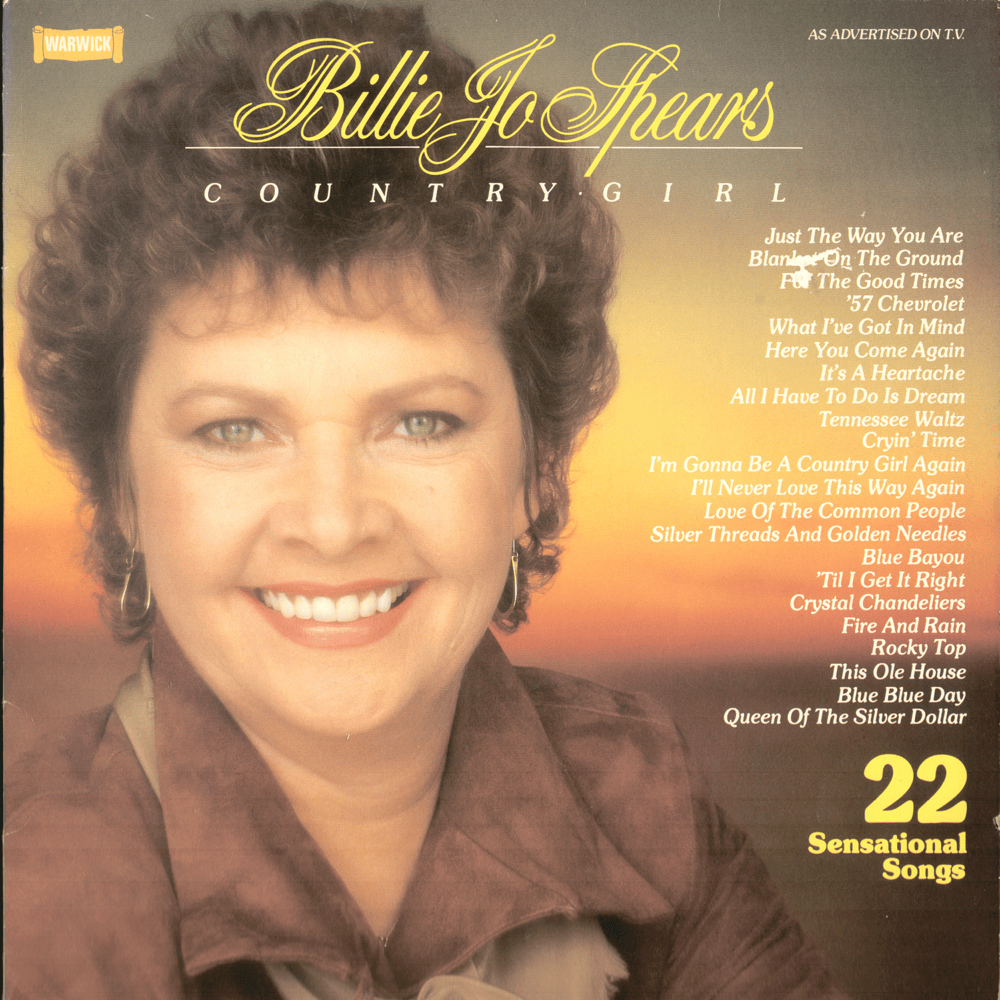
Billie Jo Spears' "Blue Bayou" isn't just a geographical longing; it's a yearning for a state of emotional grace, a return to a primal sense of belonging after a rupture. The song meaning resides in the push and pull between present-day alienation and the promise of future solace. The opening lines, "I feel so bad, I got a worried mind/I'm so lonesome all the time," paint a stark portrait of displacement. The singer's current reality is defined by anxiety and isolation, a direct consequence of leaving her "baby behind." Blue Bayou, then, isn't merely a place; it represents the lost object of her affection, the idyllic space where contentment once reigned. The "baby" could be a lover, but also a family, a community, or even a former version of herself. The repetition of saving "nickels, saving dimes/Working 'til the sun don't shine" underscores the sheer labor required to even contemplate a return. It's a financial burden, but also an emotional tax.
The chorus serves as an incantation, a repeated affirmation of hope against the odds. "I'm going back someday/Come what may to Blue Bayou" isn't a concrete plan, but a declaration of intent, a refusal to succumb to despair. The descriptions of Blue Bayou itself – "where you sleep all day/And the catfish play" – evoke a dreamlike state of leisure and innocence, a stark contrast to the singer's present toil. It's a place of natural abundance and simple pleasures, a world away from the source of her "hurtin' inside." The fishing boats and familiar sunrises are not just scenic details; they are sensory anchors to a past reality, potent reminders of what has been lost.
In the second verse, the desire shifts from escaping the present to actively reclaiming the past. "Gonna see my baby again/I wanna be with some of my friends" suggests a desire for reconciliation and reconnection. The man by her side, the silver moon, and the evening tide are not just romantic tropes; they represent a holistic sense of completeness, a harmonious integration of self and environment. Billie Jo Spears delivers the song with a restrained ache that elevates the simple melody into a powerful expression of hope. The closing lines, "I'll never be blue/My dreams come true/On Blue Bayou," offer a final, perhaps fragile, assertion of faith in the possibility of emotional restoration. It's a testament to the enduring power of memory and the human need for a place to call home.
 View Artist