Song Meaning
The lyrics to "Gee Baby, Ain't I Good to You" present a speaker who is clearly invested in their partner, but perhaps even more invested in being *seen* as good. It's a direct, almost insistent plea for validation. The central question isn't just rhetorical; it's a demand for affirmation.
The core tension here lies in the speaker's need for external approval despite their grand gestures. They list lavish gifts—a "fur coat," a "diamond ring," a "Cadillac car"—as undeniable proof of their devotion. Yet, the repeated "Gee baby, ain't I good to you?" reveals an underlying insecurity, suggesting that these material offerings aren't enough to quell a persistent doubt about their perceived worth or the recipient's appreciation.
The most striking craft choice is the opening line, "Lord makes me treat you the way I do." This isn't a declaration of personal desire or heartfelt choice; it's an externalization of responsibility. By attributing their actions to a higher power, the speaker subtly shifts the burden, perhaps making their generosity feel less like a personal virtue and more like a divinely compelled obligation. This framing complicates the seemingly straightforward act of giving, hinting at a transactional dynamic where goodness is performed rather than simply felt.
These lyrics are effective because they capture the complex, often performative nature of affection when validation is sought. The speaker's lavish spending is presented as evidence, yet the persistent questioning undercuts the confidence such generosity should inspire. The conditional phrase "nothing in the world too good for a girl that's good for true" further suggests that this "goodness" is contingent, a reward for loyalty rather than an unconditional outpouring. It leaves the listener pondering the true cost of such a relationship, where love is measured in material goods and constant reassurance.
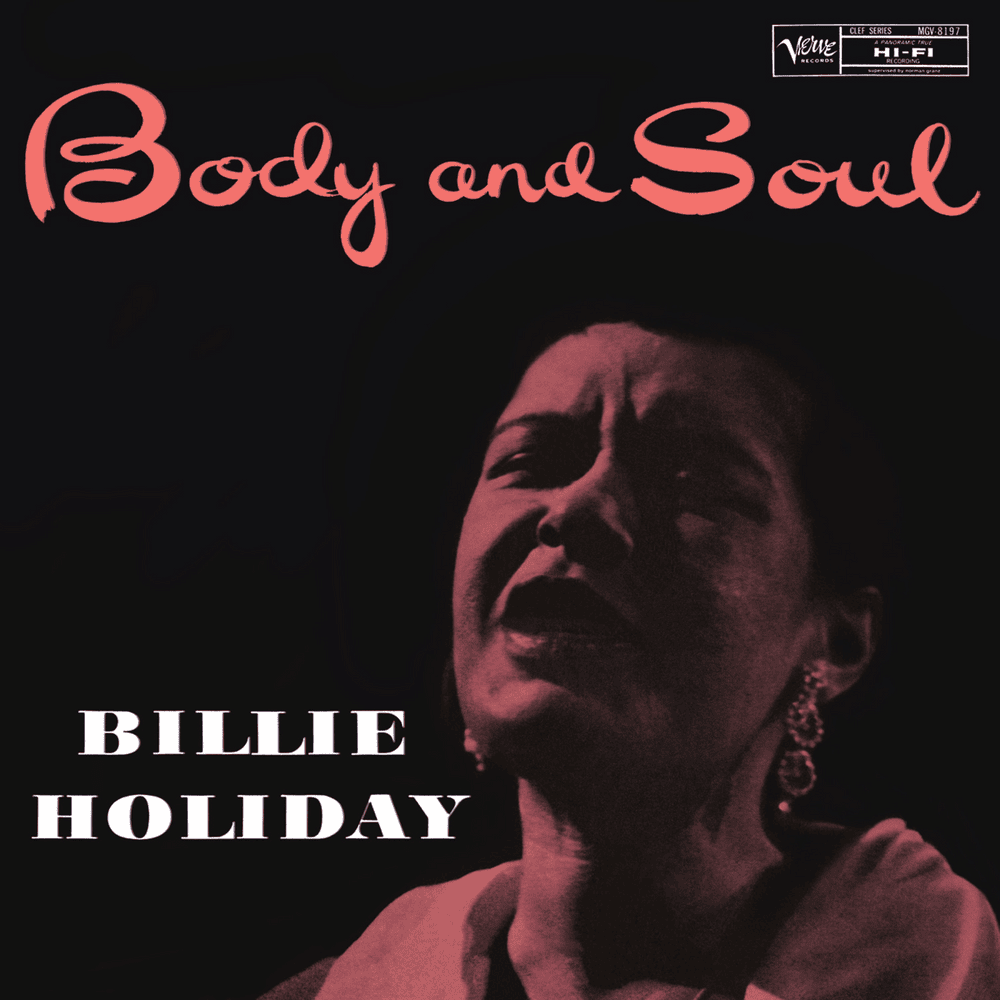
 View Artist