Song Meaning
The lyrics paint a picture of a specific, almost magical moment: "April in Paris, chestnuts in blossom." It’s presented as a singular, unrepeatable experience, a "feeling that no one can ever reprise." This idyllic scene is juxtaposed with a narrator who previously lived a life devoid of romantic or emotional awakening. The imagery of "holiday tables under the trees" suggests a communal joy and beauty the narrator was previously outside of.
The central tension arises from the narrator's sudden, profound emotional transformation. Before this experience, they "never knew the charm of spring" nor that their "heart could sing." This suggests a life lived without deep feeling or connection, a state of emotional dormancy. The arrival of "April in Paris" acts as a catalyst, forcing a confrontation with previously unknown depths of emotion.
The most striking craft element is the direct address and questioning in the latter half. The narrator asks, "Whom can I run to?" and "What have you done to my heart?" This shift from passive observation to active bewilderment highlights the overwhelming nature of this newfound feeling. The repetition of the earlier verses about not knowing spring or a singing heart, now bookended by the transformative experience, emphasizes the stark contrast between their past and present emotional landscape.
These lyrics resonate because they capture the disorienting yet exhilarating power of unexpected love or profound emotional awakening. The specific, almost tangible setting of Paris in April grounds the abstract feeling of falling in love. The narrator's confusion and vulnerability in the face of this powerful emotion make the experience feel intensely personal and universally understood.
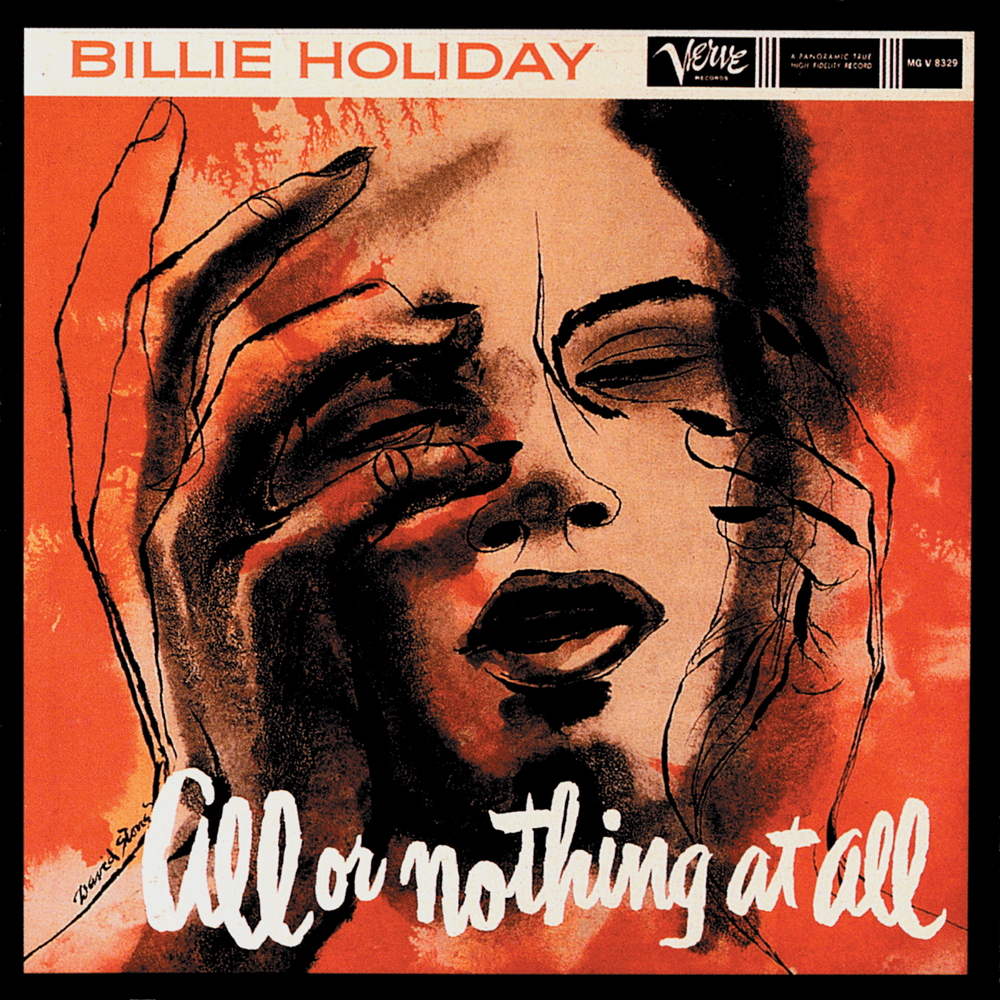
 View Artist