Song Meaning
The lyrics paint a picture of deliberate escapism, a conscious choice to retreat from a chaotic present. The narrator finds solace in a shared, idealized past with a loved one, contrasting their peaceful "walking out" with the "war's disaster" and "revolution" happening elsewhere. This isn't just nostalgia; it's an active rejection of current turmoil, a desire to "go on much faster" away from the world's problems.
The central tension lies between the allure of a simpler, happier time and the undeniable reality of a troubled present. The narrator acknowledges the external world's conflicts – "others shout / Of war's disaster" and a "revolution" – but chooses to "close our eyes" and remain insulated. This creates a poignant contrast between internal contentment and external strife, highlighting a desire for peace above all else.
The repeated refrain, "Oh no, we won't give in / Let's go living / In the past!" acts as both a declaration and a plea. The phrase "won't give in" suggests a resistance to the pressures of the outside world, while "living in the past" is presented as the chosen method of defiance. The lyrics also subtly shift from "Let's go living" to "We'll keep living," implying a deepening commitment to this chosen state of being.
This song resonates because it taps into a universal feeling of wanting to escape overwhelming circumstances. The simple, almost childlike imagery of walking and drinking water, juxtaposed with the gravity of war and revolution, underscores the profound desire for a safe haven. The lyrics effectively capture the emotional pull of retreating to a time perceived as more innocent and manageable, offering a powerful, albeit temporary, sanctuary.
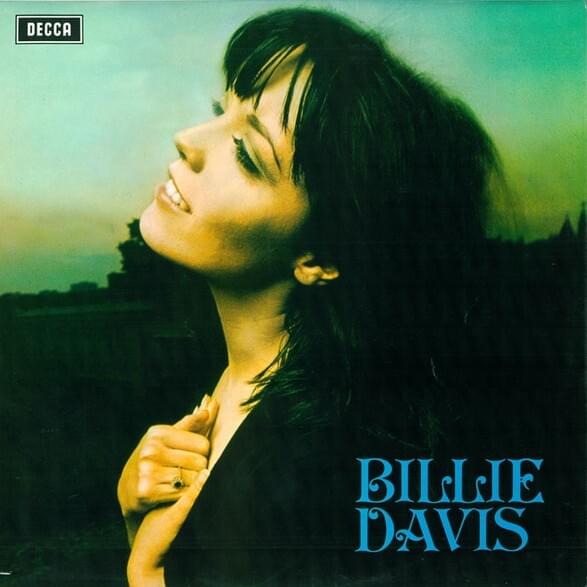
 View Artist