Song Meaning
The lyrics paint a quiet portrait of a father and child, separated by the unspoken weight of war. The narrator recalls childhood Sundays, a routine centered around a specific TV show, "Victory at Sea." The father's past military service is presented as a distant, almost forgotten thing, a collection of vague stories and a few trinkets. The narrator initially perceived these shared moments as simple entertainment, a father-child ritual devoid of deeper meaning. This surface-level understanding, however, begins to unravel as the narrator reflects on the father's subtle reactions during the show.
The central tension lies in the disconnect between the child's perception and the father's internal experience of the war. The father's few stories are dismissed as "all, like it was gone and didn't matter anymore," highlighting the narrator's youthful inability to grasp the profound impact of his father's service. The father's quiet engagement with the program – a smile at the sight of naval vessels, a weekly vigil as if searching for familiar faces – suggests a deep, personal connection to the on-screen events. The lyrics hint that the show served as a proxy for the father's own memories, a way to process or revisit experiences the narrator could never fully comprehend.
The most striking craft element is the repeated phrase, "Victory at Sea," which transforms from a mere show title into a loaded signifier. Initially, it's just the name of a black and white program watched over ginger ale and Sunday Mass. By the end, it becomes a poignant, almost melancholic acknowledgment of the father's lived reality. The narrator's realization, "It took so long to learn he saw things I'll never see," underscores the profound gulf that war created, a gulf bridged only by the shared, yet vastly different, experience of watching that particular television program. The contrast between the "ship of heroes without names" on screen and the narrator's own unnamed, yet deeply affected, father is particularly effective.
This lyrical narrative resonates because it captures the subtle ways parental experiences can shape family dynamics, often in ways children only understand in retrospect. The quiet dignity of the father, who never explicitly shared his trauma but found a way to connect with his child through a shared ritual, is deeply affecting. The narrator's adult reflection, marked by a newfound empathy and a wistful understanding of that past, makes the seemingly simple act of watching TV a powerful, emotionally charged memory. The lyrics suggest that even in the quietest moments, profound, unseen histories are at play.
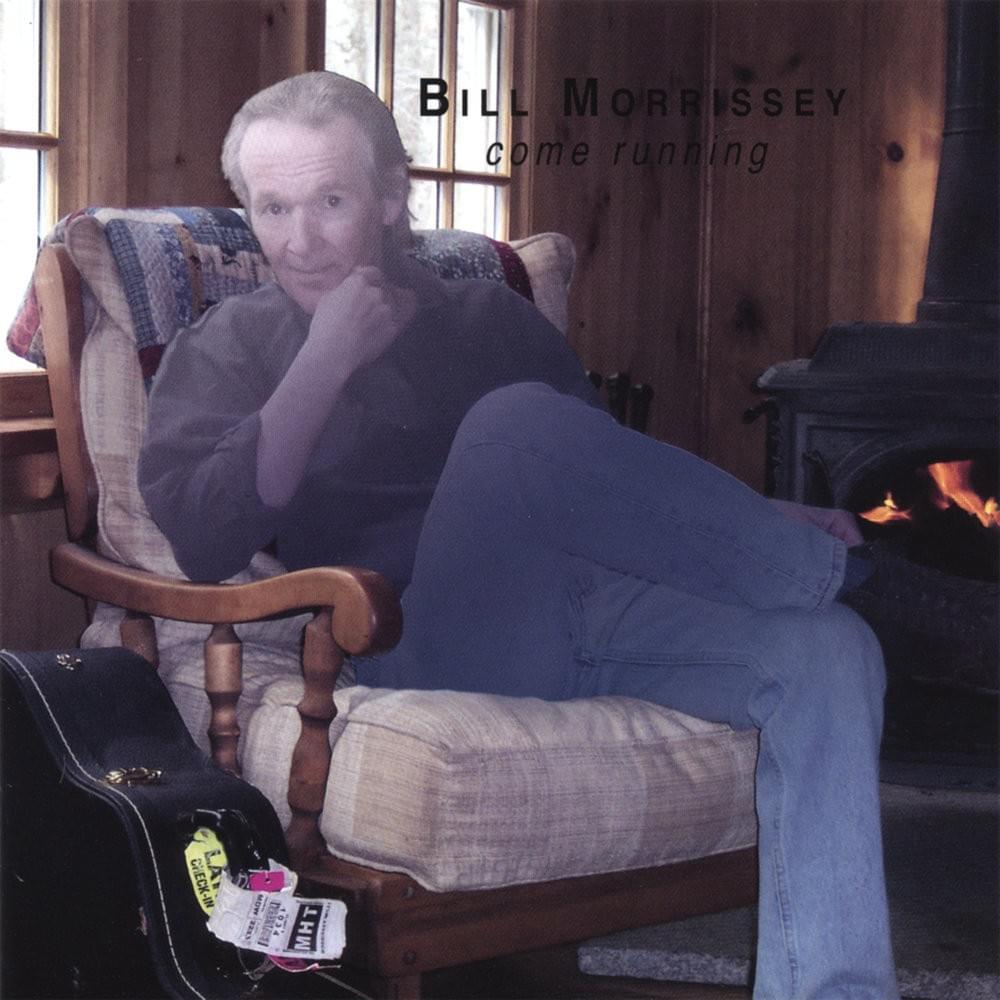
 View Artist