Song Meaning
The narrator finds himself back at a childhood fishing spot, a place that seems to represent a return to simpler times and a confrontation with the passage of life. The opening lines establish a sense of reluctant acceptance, suggesting that the specific joys of fishing for trout, the natural progression of seasons, and even the preference for whiskey over beer are all markers of time and experience that he wouldn't trade, even if they highlight the inevitability of his current situation. This leads to a poignant realization: every path taken, every departure from home, ultimately led him back to this exact point, a sentiment underscored by the wish he'd known this truth earlier.
The verses detail a restless youth spent chasing experiences and employment across diverse landscapes, from pumping gas and picking apples to working on the ocean. The narrator admits to a lack of foresight, believing he could easily leave any job, whether by choice due to boredom or by necessity after being fired. This period of his life is characterized by a perceived invincibility and an underestimation of consequences, a stark contrast to the reflective state he occupies now.
The true emotional weight lands in the final verse as the narrator stands in the familiar trout stream, the setting sun mirroring the end of his day and perhaps his youth. He vividly recalls himself as a nine-year-old, immersed in an endless summer where the natural world hummed with life – crickets chirping, peepers calling, and the moon glowing like a "whiffle ball." This powerful evocation of childhood innocence and the feeling of infinite time creates a profound emotional tension against the backdrop of his adult life, marked by a wandering past and a present that feels like a full circle.
This return to the stream is effective because it grounds abstract feelings of regret and nostalgia in concrete sensory details and a specific, recurring location. The contrast between the experienced, perhaps world-weary adult and the carefree child is palpable, making the narrator's present reflection on his life's trajectory deeply resonant. The lyrics suggest that while the external journey involved many different jobs and places, the internal landscape has always been tethered to this foundational memory, highlighting the enduring power of formative experiences.
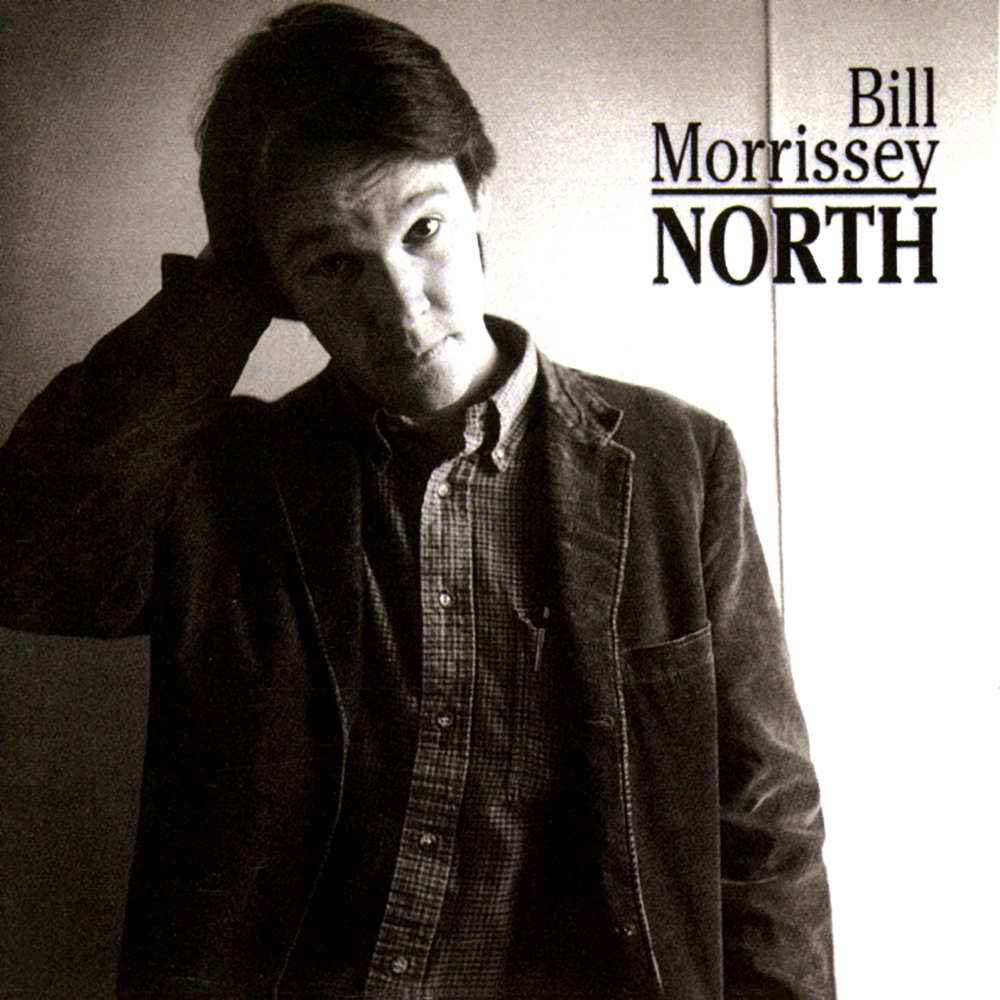
 View Artist