Song Meaning
The lyrics paint a picture of profound distress and disorientation, suggesting a world where external forces actively disrupt peace and creativity. The opening lines, "When soldiers spoil your sleep / And writers steal your dreams," establish a sense of violation and loss. This isn't just about personal bad luck; it's about systemic oppression and the theft of one's inner life. The repeated phrase "When the light goes out" acts as a stark, recurring motif, amplifying the feeling of encroaching darkness and despair.
The central tension lies in the struggle to maintain sanity and hope amidst overwhelming suffering. The narrator acknowledges a past steeped in "Pain was all you knew," but offers a fragile glimmer of hope with "I think you're coming through." This recovery, however, is jarringly juxtaposed with the unsettling image of "applause inside a zoo," hinting that even moments of perceived breakthrough might be observed or contained in a way that feels unnatural or even perverse. The subsequent lines, "When a lion gets out," further escalate the sense of impending chaos and danger, suggesting that the struggle for survival is about to become much more volatile.
The most striking element is the relentless, almost incantatory repetition of "'til the Christ comes back." This phrase, repeated ten times, transforms from a simple statement of waiting into a desperate plea or a Sisyphean mantra. It frames the entire experience as a period of tribulation, a waiting game for a divine or transformative intervention. The lyrics suggest that the current state of affairs is so dire, so fundamentally broken, that only a cataclysmic, redemptive event can bring about true change or peace.
Ultimately, the effectiveness of these lyrics stems from their stark imagery and the crushing weight of their central refrain. The contrast between the personal violation and the grand, almost eschatological hope creates a powerful emotional resonance. It captures a feeling of being trapped in a cycle of suffering, with the only perceived escape being a future, possibly apocalyptic, intervention. The writing forces the listener to confront the depth of despair while clinging to a distant, uncertain salvation.
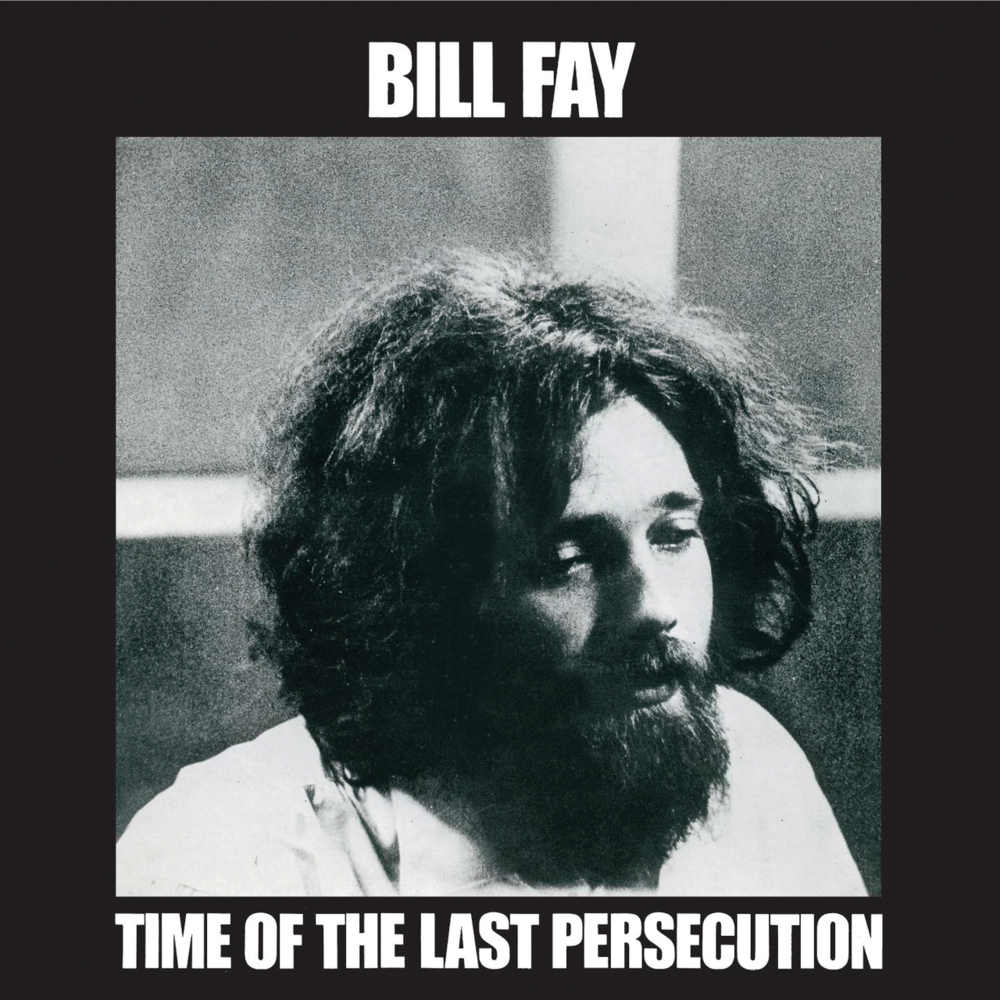
 View Artist