Song Meaning
The lyrics paint a picture of a future utopia, a "healing day" where all suffering and conflict cease. The opening lines establish a hopeful, almost childlike refrain, promising that things "will be okay" and that we will "find our way." This recurring phrase acts as a mantra, a persistent whisper of optimism against an implied backdrop of current hardship. The vision is one of simple, pure joy, returning to a state where "children play."
The core tension arises from the stark contrast between the present reality and this envisioned future. The "healing day" is defined by the dismantling of oppressive forces: the "tyrant is bound," the "tortured freed from his pain," and the "lofty brought to the ground." This suggests a world where power structures are overturned and justice is served, transforming places of conflict, like "every battleground," into serene landscapes where "sheep graze."
The most striking imagery is the complete inversion of societal structures and symbols of power. "Palaces and parades" are depicted as collapsing, suggesting that the grand displays of authority and celebration will crumble. This powerful visual signifies a fundamental societal reset, where the markers of earthly power lose their significance. The "lonely rage" also finds resolution, implying a collective healing that addresses individual despair.
Ultimately, the effectiveness of these lyrics lies in their simple, declarative pronouncements of hope. The repetition of "the healing day" reinforces the singular focus on this future state. By juxtaposing the harsh realities of oppression and pain with the gentle imagery of grazing sheep and playing children, the lyrics create a potent emotional arc, offering a profound sense of solace and a clear vision of a world redeemed.
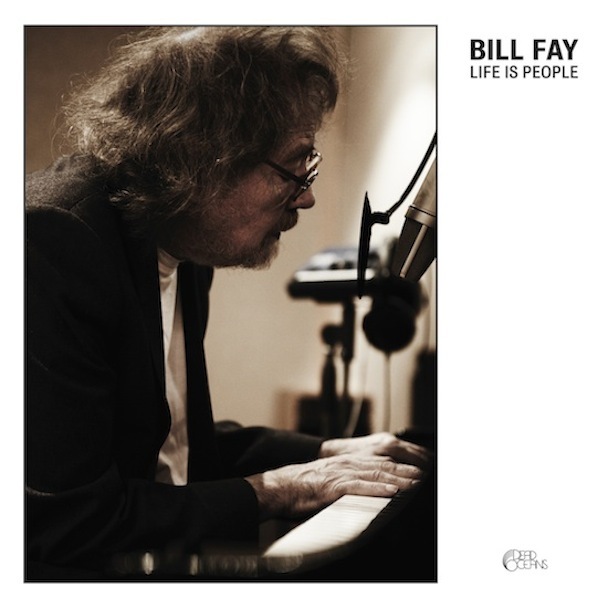
 View Artist