Song Meaning
This song paints a picture of profound weariness and a desperate plea for comfort, addressed to a figure named Teddy. The opening lines immediately establish a tone of vulnerability, with the narrator asking Teddy to ward off encroaching 'shadows' and prepare for an impending, explosive event from the 'cupboard.' There's a sense of impending doom, yet also a fragile hope that Teddy offers a sanctuary and a connection to others.
The central tension lies between the narrator's overwhelming exhaustion and the fear of external threats. The line "The only time I'm not tired is when I'm asleep" is a stark declaration of this fatigue, suggesting that wakefulness itself is a burden. This exhaustion seems to amplify the fear of the 'cupboard explodes,' a surreal image that could represent internal anxieties or external pressures reaching a breaking point. The narrator seeks protection not just from immediate dangers but also from the pervasive weariness that defines their waking hours.
The lyrics employ a childlike, almost surreal imagery to convey adult anxieties. The address to 'Teddy' and the 'other teddies' creates a sense of innocence, but this is juxtaposed with the menacing 'shadows' and the explosive 'cupboard.' The repeated plea, "Teddy, don't let the shadows get me," acts as a mantra of sorts, highlighting the narrator's reliance on this comforting figure. The phrase "Everywhere there are angels but we never meet" adds a layer of existential loneliness, suggesting a world full of potential solace that remains just out of reach.
Ultimately, the effectiveness of these lyrics stems from their ability to translate deep emotional distress into simple, evocative language. The contrast between the comforting presence of Teddy and the abstract, terrifying threats creates a unique emotional landscape. The narrator’s reliance on Teddy, and the instruction to inform other teddies, suggests a need for communal acknowledgment of their struggle, even if that community is imagined or represented by inanimate objects. It’s a raw expression of needing protection and connection in the face of overwhelming internal and external pressures.
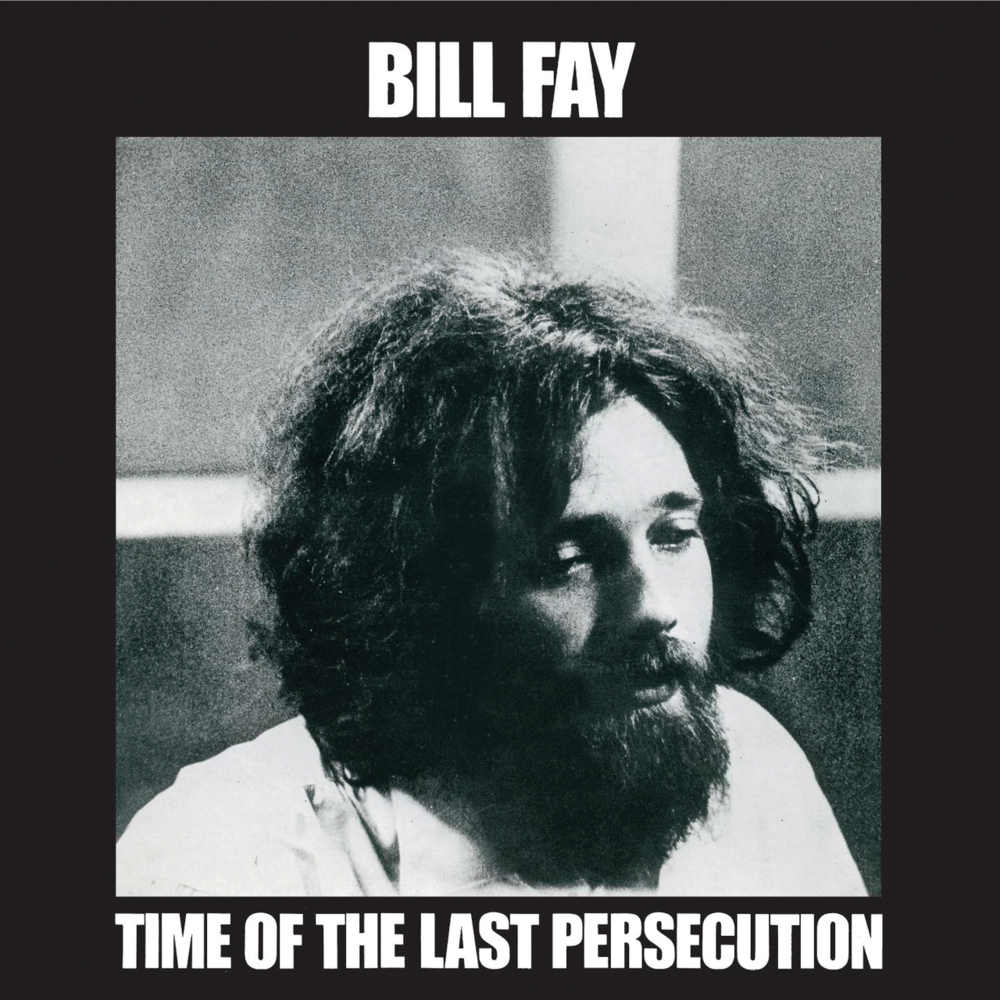
 View Artist