Song Meaning
The narrator expresses a profound desire for inclusion, a yearning to be integrated into someone else's life or future. The repeated phrase "Just to be a part / Of your plans" acts as a desperate plea, highlighting a feeling of being on the outside looking in. This isn't about grand gestures, but a fundamental need to belong, to be recognized as present and involved in the other person's world.
The lyrics paint a picture of the narrator grappling with their own perceived limitations or unique perspective. Questions like "What can I say? / How can I speak?" suggest a struggle to articulate their inner experience, perhaps feeling misunderstood or unable to bridge a gap. The imagery of a "blind man sees" and a "deaf man hears" creates a powerful paradox, implying a rich internal world that is difficult to communicate externally, further emphasizing the desire for someone to simply *see* and *hear* them.
The second verse introduces a more somber, atmospheric tone, with "clouds are gathered / To find a storm." This foreboding imagery could reflect external difficulties or internal turmoil. Yet, the observation that "the trees are silent, they have seen it all" suggests a sense of weary resilience or perhaps a passive acceptance of hardship. The falling rain, a cleansing or melancholic force, lands "On the Earth where you walked," connecting the present moment and its challenges to a shared past and a hopeful future, "And we'll walk again."
Ultimately, the effectiveness of these lyrics lies in their raw vulnerability and the stark contrast between the narrator's internal struggle and their simple, repeated wish. The power isn't in complex metaphors, but in the direct, almost childlike articulation of a deep-seated human need to be connected and included, especially when feeling isolated by one's own perceptions or circumstances.
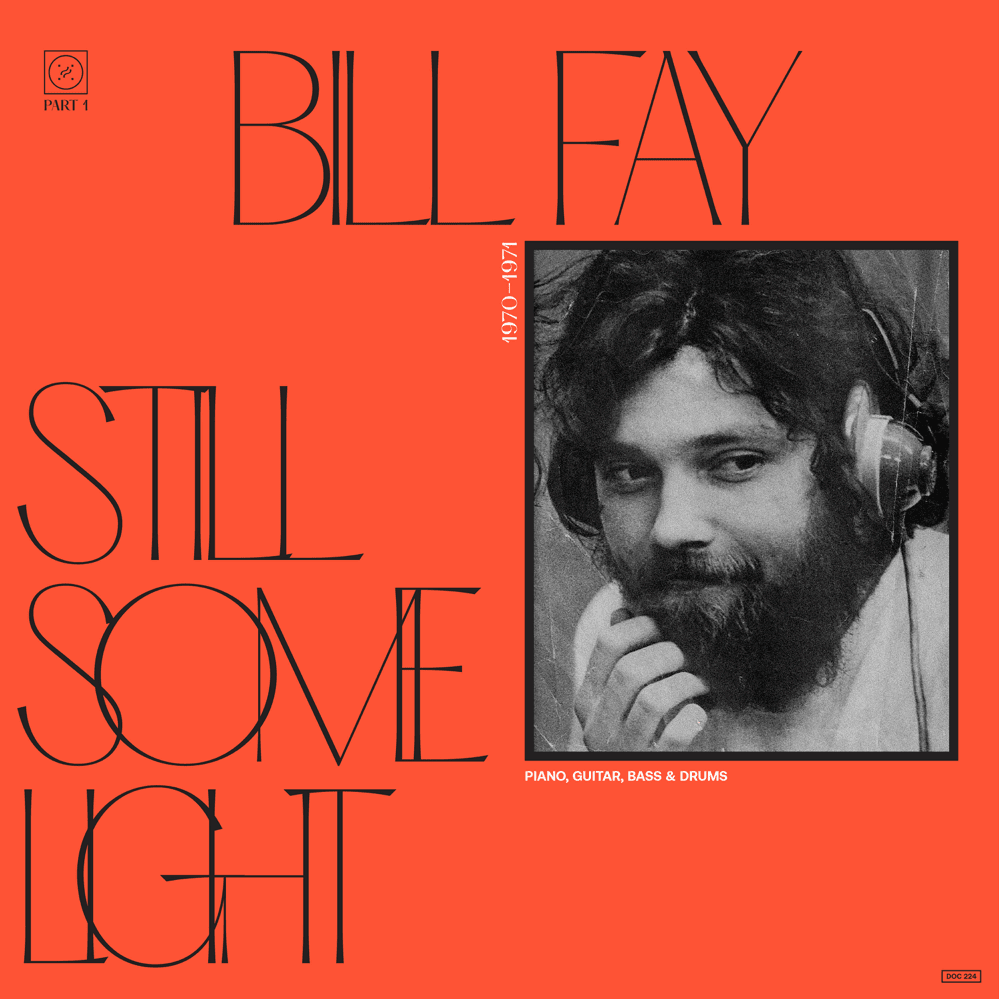
 View Artist