Song Meaning
The lyrics paint a stark picture of deep emotional anguish, using the literal darkness of night as a metaphor for a painful present. The narrator is trapped in a state of suffering, repeatedly questioning when relief will come, asking "Won't it ever be morning?" This isn't just about waiting for daylight; it's a desperate plea for an end to the emotional torment that feels overwhelming and endless. The repetition of these questions underscores a profound sense of hopelessness and exhaustion.
The central tension lies in the narrator's intense longing for a past connection, explicitly stated as "I love you and miss you so much." This absence fuels the current misery, making the present feel unbearable. The phrase "a lifetime" spent wishing away the "nighttime" highlights how distorted time becomes when consumed by grief or longing. The external environment, with "winds are moanin'" and "thunder," mirrors the internal turmoil, amplifying the feeling of being battered by forces beyond control.
A particularly striking moment is when the narrator's "picture on the wall just laughed at me." This personification imbues an inanimate object with cruel mockery, suggesting that even memories or representations of the lost loved one offer no solace, only a painful reminder of what's gone. It's a sharp, almost surreal image that elevates the pain from simple sadness to a feeling of being actively tormented by the past. This moment crystallizes the narrator's isolation and the feeling that there's no escape from the hurt.
Ultimately, the effectiveness of these lyrics comes from their raw, unvarnished expression of despair. The simple, direct language, coupled with the relentless questioning and the stark imagery, creates an immediate and visceral connection to the narrator's pain. The song doesn't offer easy answers; instead, it captures the suffocating feeling of being stuck in a dark place, desperately waiting for a dawn that feels like it will never arrive.
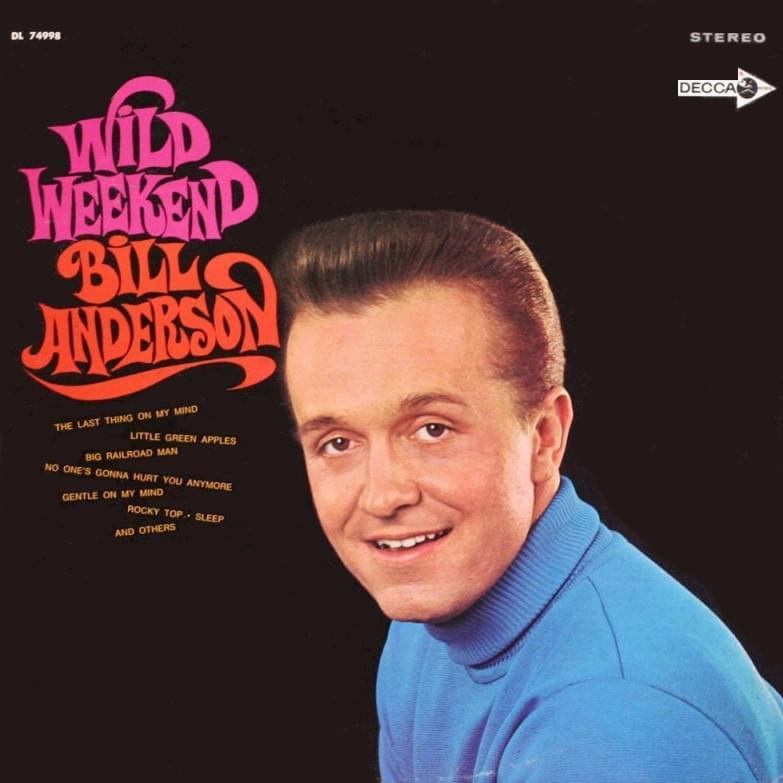
 View Artist