Song Meaning
The narrator insists they are "all right," but the immediate follow-up reveals a raw vulnerability. The repeated phrase acts as a shield, a desperate affirmation against the sting of emotional damage. It’s the kind of declaration you make when the opposite is screamingly obvious, a thin veneer over a heart that’s been bruised. The contrast between the stated well-being and the physical manifestations of pain – "red in the eyes," "hurt in the heart," "weary in the soul" – sets up the central tension. This isn't a simple declaration of strength; it's a performance of it.
The lyrics paint a picture of someone trying to convince both themselves and an absent, likely ex-partner, of their recovery. The narrator’s pointed questions, "Since when are you concerned / About the way things are at home," suggest a history of neglect or indifference from the person they’re addressing. This isn't a friendly check-in; it's a barbed reminder of past hurts, delivered under the guise of being "fine." The mention of "the dog and the cat" adds a touch of domestic normalcy, but it feels like a deliberate, almost defiant, listing of the simple things that remain, as if to prove self-sufficiency.
The most striking shift comes with the revelation of a new relationship. The narrator claims to have "found somebody else" not out of malice, but out of necessity, because the absent partner isn't there to "take care of me." This new partner is someone who "comes over here and loves me," implying a fulfilling connection that the previous relationship lacked. The line "Honey, I ain't the fool I was" is a powerful declaration of growth, suggesting that the narrator has learned from past mistakes and is no longer susceptible to the same emotional manipulation or neglect. It’s a hard-won self-awareness, born from the very pain they’re trying to downplay.
Ultimately, the effectiveness of these lyrics lies in their unflinching honesty about the messy process of healing. The repeated, almost frantic, insistence of being "I'm all right" is what makes the admission of pain so potent. It’s the sound of someone actively fighting to believe their own words, piecing themselves back together one day at a time. The narrative arc from weary self-deception to a confident assertion of having "found somebody else" and no longer being "the fool" resonates because it captures the difficult, often contradictory, steps toward genuine recovery.
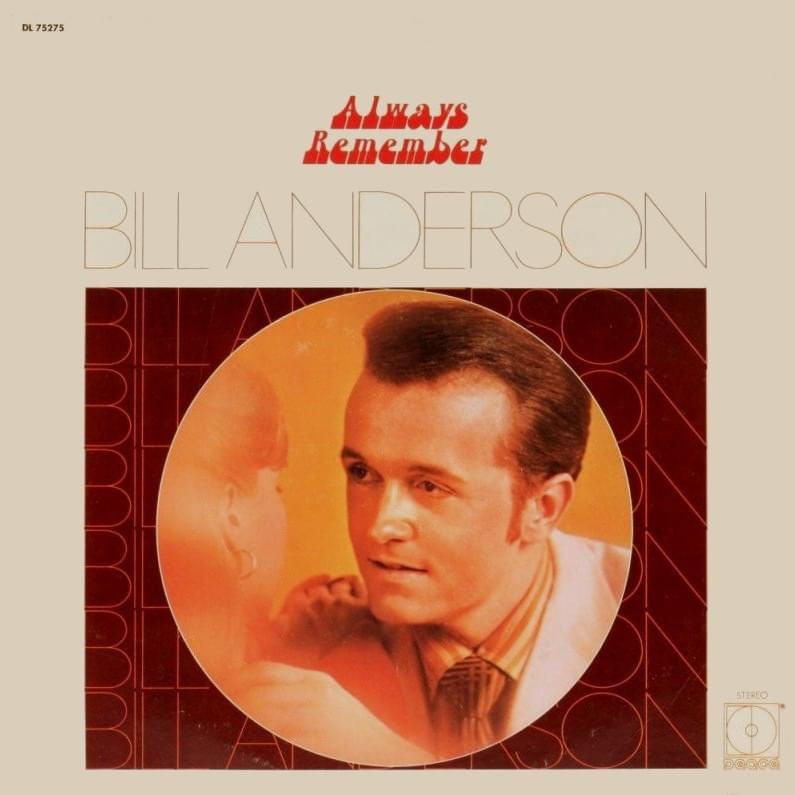
 View Artist