Song Meaning
The lyrics paint a picture of a relationship shrouded in deception, where the "Venezianischer Spiegel" acts as a distorted mirror, reflecting a facade rather than true intimacy. The opening lines establish a sense of looking into someone's face, but immediately qualify it with the ornate, potentially deceptive nature of a Venetian mirror. This sets the stage for a connection that has witnessed much but understood little, with "sad faces behind crying windows" suggesting a shared sorrow that remains distant and unaddressed.
This disconnect is starkly contrasted with the intense, almost surreal imagery of "living is like drifting in the Dead Sea." The narrator describes a physical closeness on "cold days," with the other person touching their hair, yet this physical presence doesn't bridge the emotional chasm. The repeated, desperate question, "Do you hear me?" underscores a profound lack of genuine communication, a plea lost in the overwhelming declaration "We love each other very much!" which feels hollow against the backdrop of unspoken truths.
The core tension emerges from the pervasive theme of lies, explicitly stated as "We live to the rhythm of lies." This isn't just about occasional untruths; it's a fundamental mode of existence within the relationship. The contrast between breaking spoken words and never breaking silence highlights a specific dynamic: promises are easily discarded, but the deeper, perhaps more damaging, unspoken truths are rigidly maintained. The feeling of lying "naked in the snow" next to the partner is a powerful image of vulnerability and exposure that is met with an equally cold, unyielding silence.
Ultimately, the effectiveness of these lyrics lies in their stark portrayal of emotional isolation within supposed intimacy. The repeated, almost incantatory refrain, "We live to the rhythm of lies / We die to the rhythm of lies," transforms the personal into something existential. The Venetian mirror, initially a symbol of ornate reflection, becomes a metaphor for a relationship that reflects only artifice, trapping the narrator in a cycle of superficial connection and profound loneliness, where even love is measured against the pervasive beat of deception.
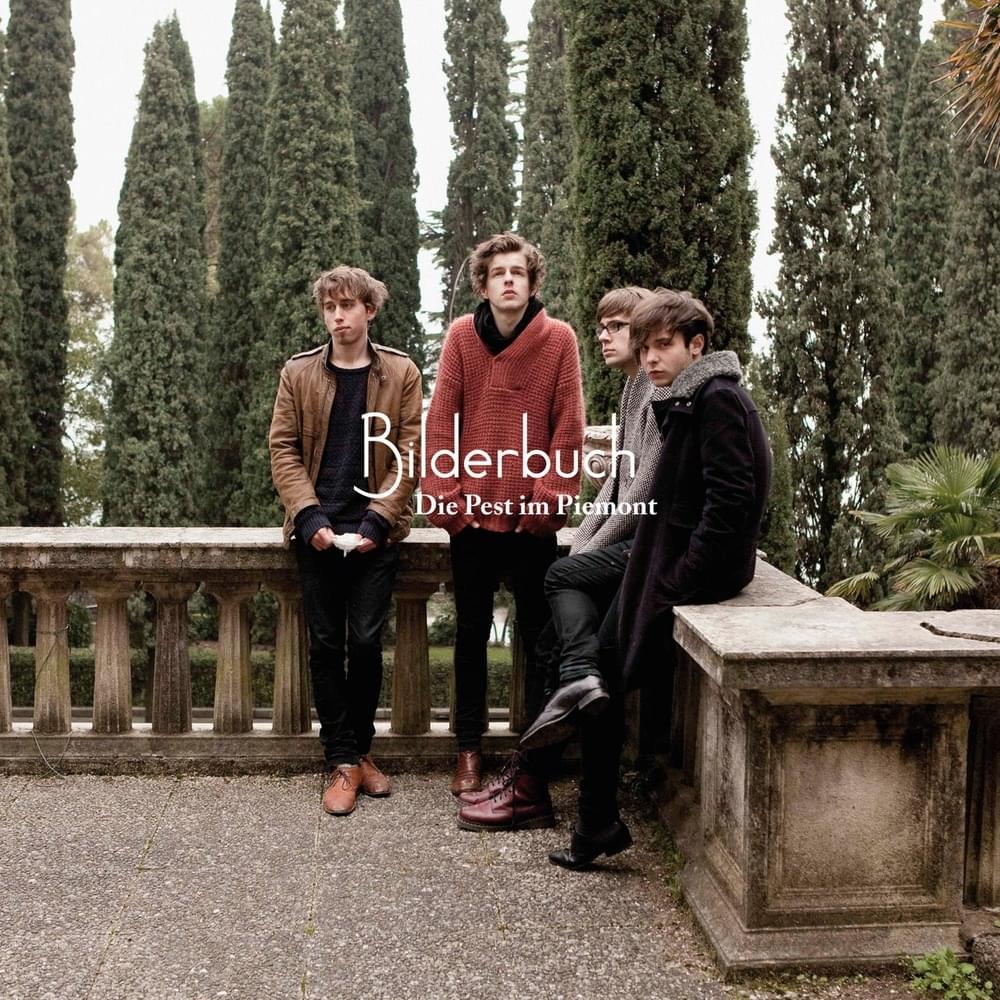
 View Artist