Song Meaning
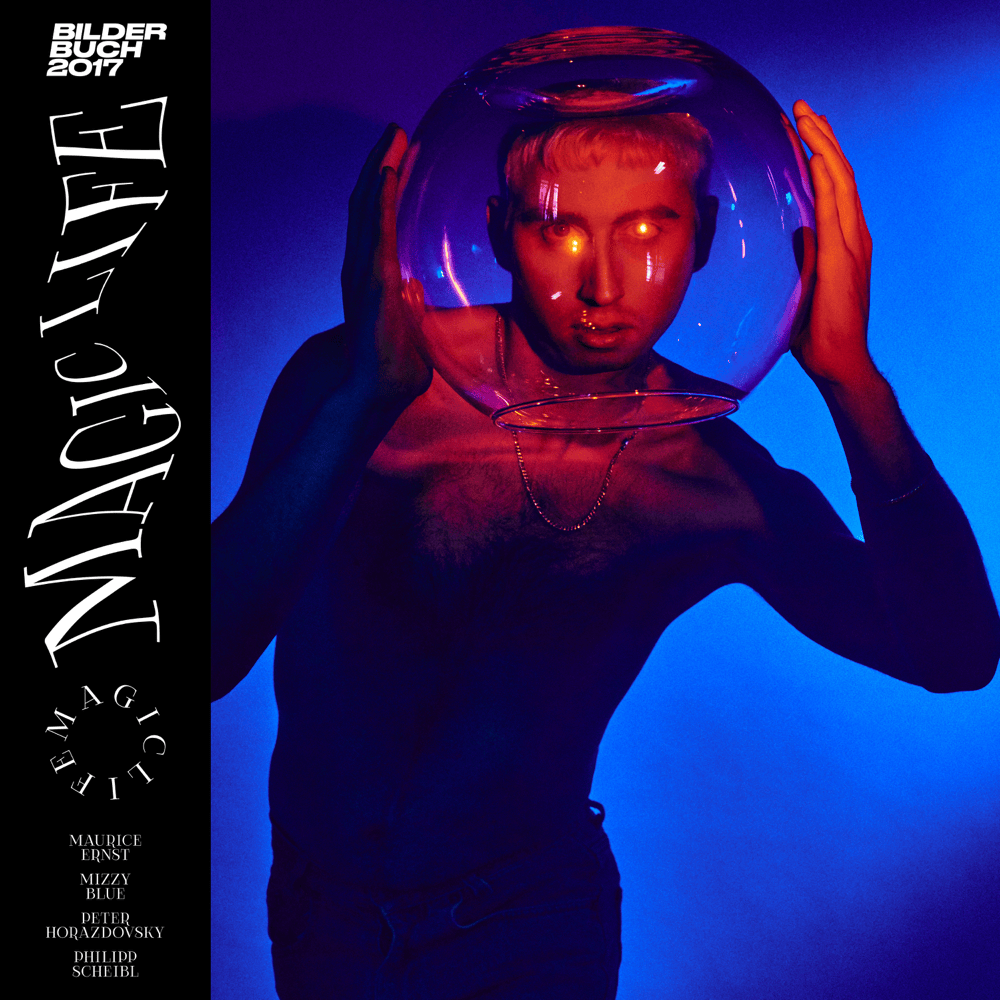
The lyrics paint a picture of an all-inclusive escape, where "Die Wellen, die gehen hoch" and Prosecco flows freely. There's a desperate insistence on being "Ohne Stress, ja, ohne Stress," suggesting a forced tranquility. This "Magic Life" appears to be a manufactured paradise, a relentless pursuit of pleasure.
Yet, this carefree facade shatters with the sudden, almost casual mention: "Papa haut sein neues Auto" against some tree. The abrupt violence of this image, followed by a detached "ok," introduces a profound tension. It suggests that even within this supposed utopia, chaos and destruction lurk just beneath the surface, demanding more Prosecco to numb the shock.
The repeated command to "Füllen's auf den Prosecco" becomes less about celebration and more about a frantic need for oblivion. The plea "Can't you gimme more?" underscores this insatiable desire, hinting at an emptiness that no amount of bubbly can truly fill. This desperate consumption culminates in the stark, self-aware declaration: "Wir Verbrecher Gehen Hand in Hand."
This final image of "criminals" walking hand in hand redefines the "Magic Life" not as pure bliss, but as a shared complicity in something unsettling, perhaps even destructive. The lyrics effectively create a world where escapism has a dark underbelly, where the pursuit of pleasure is intertwined with a quiet desperation and a collective, unspoken transgression, making the "magic" feel distinctly unsettling.
 View Artist