Song Meaning
These lyrics plunge into a suffocating domestic scene. A person lives in three cramped rooms, surrounded by three children. A longing for freedom, symbolized by "négy kerék," boils over into a brutal act: "az asszonyt vered."
The core tension here is a desperate individual caught between vanished dreams and relentless financial strain. The poignant image of "szép mesék / szappanbuborék" captures the fragility of lost hope, dreams dissolving like bubbles. This internal despair is compounded by external pressures, as money is constantly taken, leading to a weary resentment of being seen as a fool.
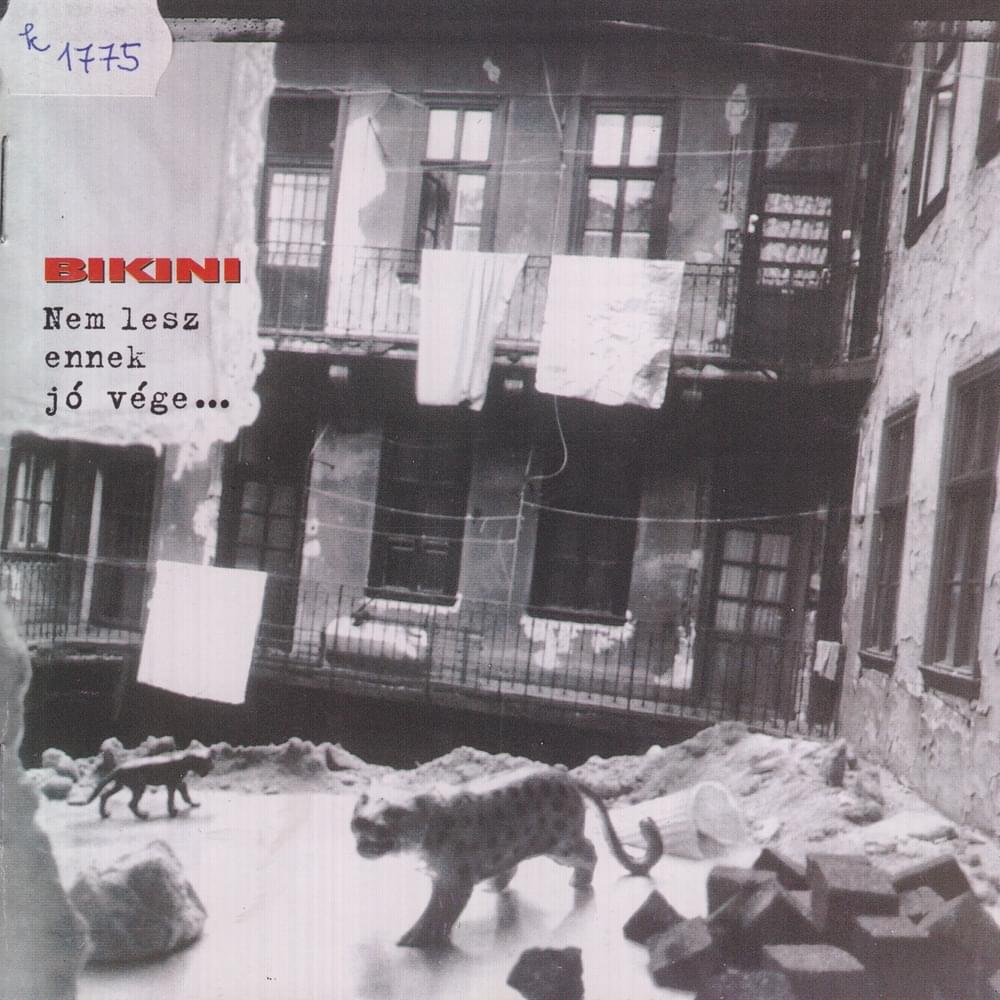
The recurring chorus, "Nem lesz ennek jó vége" (It won't end well), hammers home an inescapable sense of doom. This bleak outlook is cleverly tied to the phrase "Közeleg a hó vége" (The end of the month/snow is approaching), subtly linking financial anxiety with a cold, unforgiving future. The lyrics further intensify this feeling of being cornered, describing many hungry mouths and the looming threat of thieves and cops, suggesting a life under siege from all sides.
What makes these lyrics so potent is their unflinching honesty and direct address. The "you" perspective implicates the listener, forcing an uncomfortable proximity to the subject's despair and violent actions. The sparse, visceral imagery—from the cramped rooms to the hungry mouths—creates a powerful, immediate emotional resonance, painting a stark portrait of a life unraveling under the weight of unfulfilled desires and crushing reality.
 View Artist