Song Meaning
The lyrics paint a stark picture of existential detachment, where past and present struggles have rendered the narrator indifferent to their own state of being. Phrases like "Már nem számít mi volt a múltad" (Your past no longer matters) and "Hogy vagy, vagy nem az mindegy" (Whether you are or not, it doesn't matter) establish a profound sense of resignation. This isn't about giving up; it's about reaching a point where the usual motivators and consequences have lost their grip.
The core tension arises from the contrast between external pressures and internal apathy. The world continues to impose itself – "Ahogy állnak a dolgok és ülnek ütések" (As things stand and blows land) and the "álomgyáros" (dream factory) hijacking dreams – yet the narrator's response is a pervasive "mindegy." This suggests a numbing effect, where even intense suffering ("szenvedések a szenvedélyek" - sufferings of passions) fails to elicit a meaningful reaction.
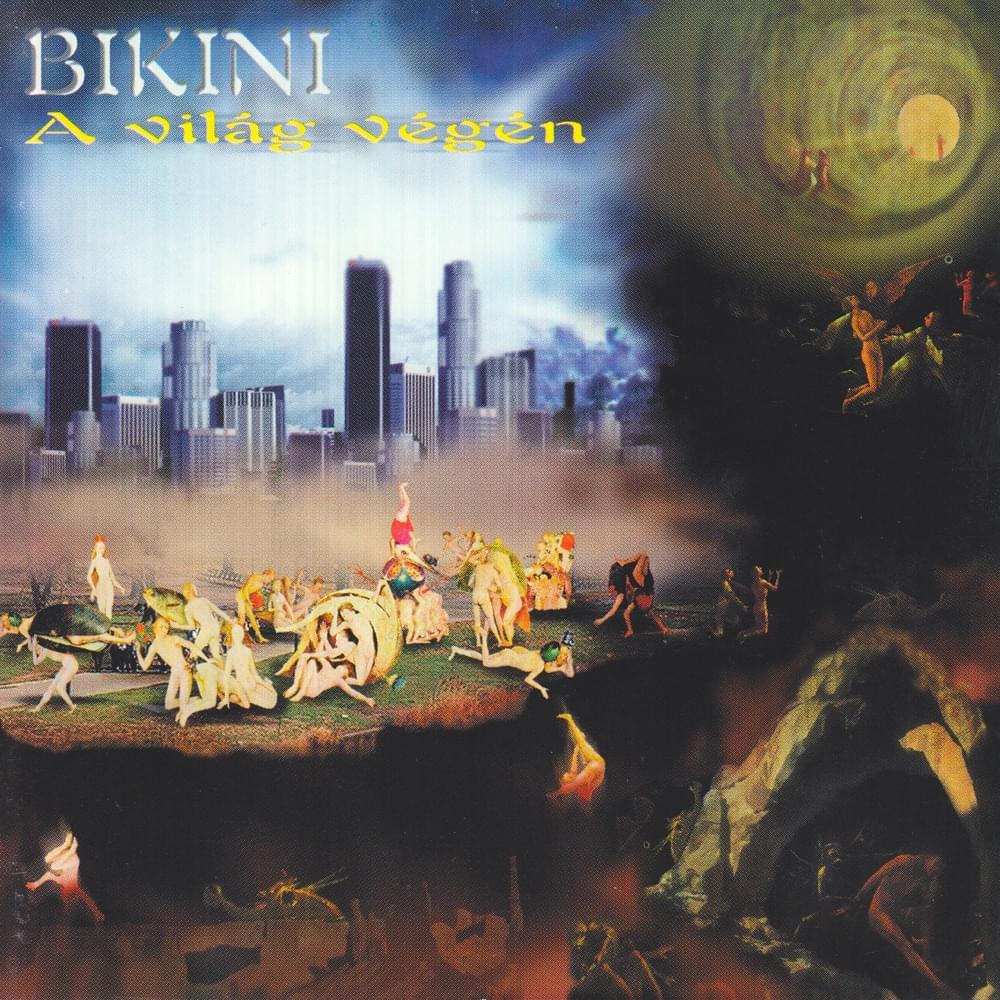
The imagery of "A világ végén" (At the end of the world) is particularly striking. It's not a dramatic apocalypse, but a series of mundane, bleak scenes: Santa Claus sleeping in the snow, a newspaper under a subway seat, a footprint freezing on the pavement. These aren't grand pronouncements of doom, but quiet, chilling details that underscore the feeling of finality and isolation. The world has ended, not with a bang, but with a cold, indifferent whimper.
This deliberate deflation of dramatic potential is what makes the lyrics resonate. By stripping away conventional emotional responses and replacing them with a quiet, almost observational detachment, the writing forces the listener to confront the feeling of being adrift. The effectiveness lies in its ability to capture a specific kind of modern ennui, where the sheer weight of existence leads not to despair, but to a profound, unsettling stillness.
 View Artist