Song Meaning
The narrator's world implodes when she discovers her boyfriend kissing a "replica" who is, cruelly, "nice and sweet and better." This initial shock quickly curdles into a raw, visceral anger. The comparison to "Sizzlean" isn't just about being a cheap imitation; it's about being a processed, artificial substitute for something real, highlighting the betrayal's manufactured nature. The narrator feels replaced by something fundamentally less authentic, yet presented as superior.
The lyrics pivot from personal betrayal to a more destructive, almost self-immolating rage. The repeated lines about "burnt dresses" and "cut hair" suggest a violent, chaotic reaction, perhaps even a symbolic act of self-harm or a desperate attempt to erase the "me" that was so easily replicated. The shift from "she" to "he" in the second verse is jarring, blurring the lines of who is enacting the damage and intensifying the sense of disarray. The fire in her stare being "doused out" signifies a loss of spirit, a extinguishing of her own fiery essence.
This descent into chaos leads to a literal and metaphorical displacement. The narrator ends up on "a new street, baby," in a place that is "nowhere." This isn't just about moving; it's about being erased from her own life, forced to inhabit an anonymous, desolate space. The address "double zero" reinforces this feeling of nullity and insignificance. The final "Don't you try to fake me out!" is a desperate, defiant plea, a last-ditch effort to reclaim agency against the overwhelming sense of being deceived and replaced.
The power of these lyrics lies in their unflinching portrayal of a specific, gut-wrenching betrayal that escalates into a complete unraveling. The raw imagery and the stark contrast between the "replica" and the narrator's own perceived flaws create a potent emotional cocktail of hurt, rage, and existential dread. The narrative's progression from shock to destruction to utter displacement makes the narrator's pain feel palpable and deeply unsettling.
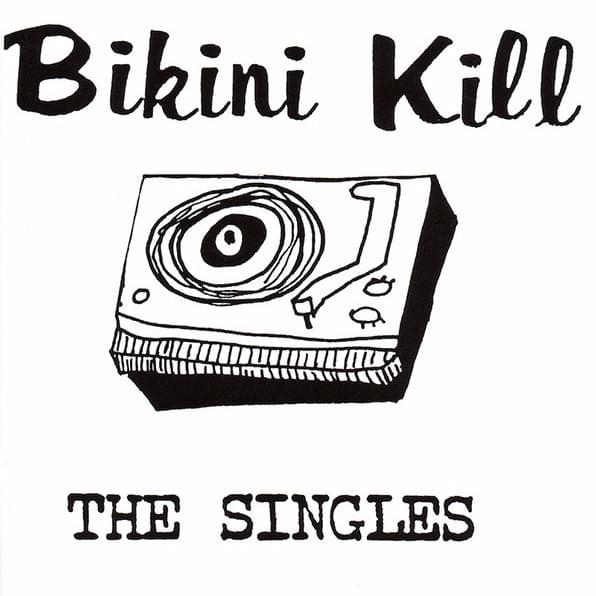
 View Artist