Song Meaning
The lyrics paint a picture of someone grappling with a painful, perhaps abusive, family dynamic, specifically directed at "mama." The narrator acknowledges the other person's dreams but sees their actions as contradictory, noting "everything's what it seems" only when they are "waking," implying a disconnect between their aspirations and their behavior. This sets up a central tension: the narrator feels unseen and unheard, offering "words and excuses lame" in a desperate plea for acknowledgment, while the "mama" figure seems to inflict pain, symbolized by the "fruit jar" and the desire to "hit me."
The core conflict appears to be the narrator's struggle for genuine connection and validation within a relationship characterized by emotional or physical violence. The line "I was wasted at the forkroads / I'm too old to run" suggests a feeling of being trapped and regretful, unable to escape a predetermined, damaging path. The repeated plea, "Oh, doesn't it hurt / To see me reaching," underscores a profound sense of isolation and the pain of unreciprocated effort.
A striking image is the contrast between "roses" for a "grave" and the present reality of conflict. This juxtaposition highlights a morbid, perhaps passive-aggressive, dynamic where acknowledgment of death is more readily offered than support in life. The narrator’s declaration, "I'd rather see you hit me / Just cause you go too far," is a raw expression of desperation, indicating that even physical pain is preferable to the emotional void or the perceived betrayal of losing "what's real."
The effectiveness of these lyrics lies in their stark, unflinching portrayal of emotional distress and familial dysfunction. The repetition of "Cause I never / Asked for nothing" amplifies the sense of injustice and victimhood. The final chorus, "Well it's time for bleeding," acts as a brutal acceptance of the ongoing pain, a point where excuses are no longer possible and the raw hurt must be confronted.
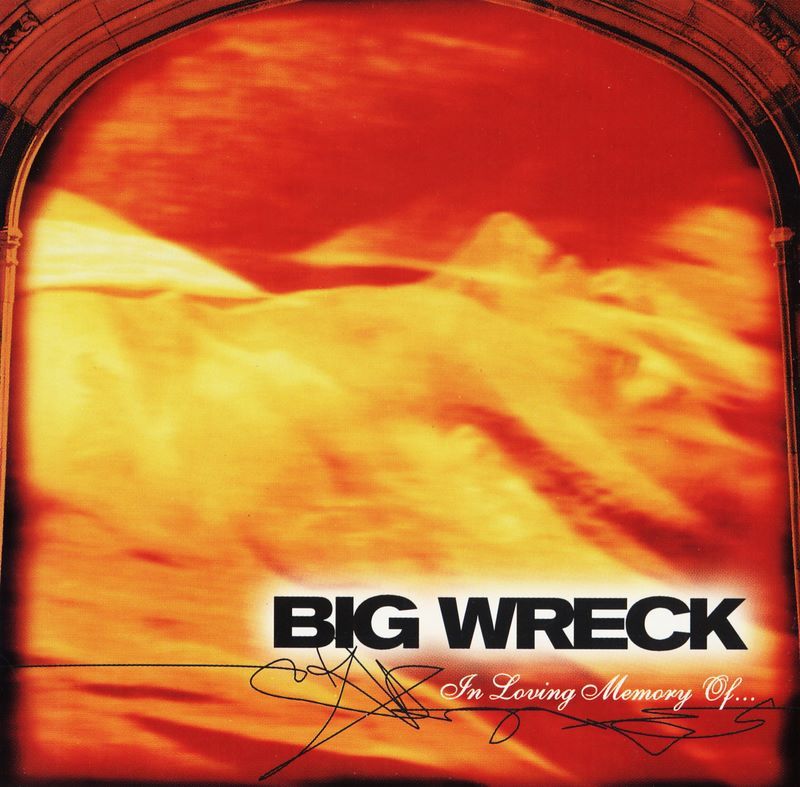
 View Artist