Song Meaning
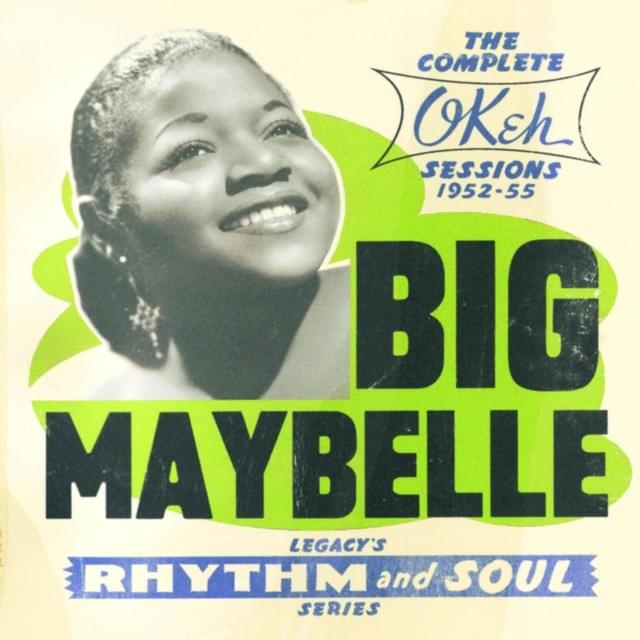
Big Maybelle's "You'll Be Sorry" isn't just a blues lament; it's a declaration of war waged from the depths of heartbreak. The song, steeped in the raw emotion that defines Maybelle's signature style, dissects the aftermath of betrayal with a chilling promise of retribution. It's less about wallowing in pain and more about weaponizing it. The opening lines, a stark pronouncement of future regret, set the stage for a calculated campaign against the transgressor. This isn't a passive victim; this is a woman who understands the power of social currency and intends to devalue her ex's.
The lyrics drip with a potent blend of vulnerability and defiance. While Maybelle acknowledges the sting of broken vows and stolen affection ("You'll be sorry for the love you steal"), she immediately pivots to a strategy of public shaming. The chorus, a repetitive assertion of future sorrow for the offender, underscores her intent to expose his cruelty to their shared social circle. This is a psychological maneuver, aimed at isolating him and turning his own network against him. The threat isn't physical; it's social annihilation.
Beneath the surface of vengeful pronouncements lies a flicker of something more complex. The line "When nobody wants you, Baby, maybe I will" hints at a lingering attachment, a twisted form of conditional love that refuses to be extinguished entirely. It suggests that Maybelle's desire for retribution is intertwined with a desire for validation, a need to see her ex crawling back, stripped bare of his social standing. In this context, "You'll Be Sorry" transcends a simple breakup song; it becomes a study in the intricate dance between pain, pride, and the enduring, often irrational, pull of the human heart.
 View Artist