Song Meaning
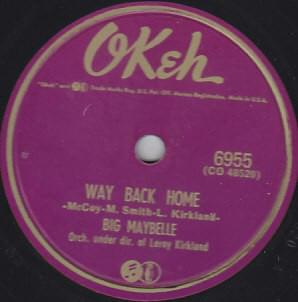
Big Maybelle's "Way Back Home" isn't just a bluesy lament; it's a raw, exposed nerve of regret and the desperate yearning for forgiveness. The song circles around the central theme of homecoming after a period of self-destructive behavior, or perhaps simply youthful indiscretion, and the anxiety that accompanies facing the consequences. The opening lines, "I'm on my way back home, I know I done you wrong," immediately establish a narrative of contrition. The singer acknowledges her mistakes, framing them as a consequence of taking "a chance on losing my mind," hinting at a period of reckless abandon. The plea, "did I stay too long," underscores the fear that her absence has caused irreparable damage. This is a song about the psychological burden of guilt and the hope, however fragile, of redemption.
The second verse offers a glimpse into the specific nature of her transgressions, though veiled in metaphor. The lines about a "3rd degree" and someone "beggin', cryin', and pleadin'" suggest a past relationship damaged by her actions, possibly infidelity or emotional cruelty. The acknowledgment, "I feel so bad cuz I did you wrong," reinforces the theme of remorse that permeates the song. Maybelle's delivery, even without knowing the specific context, conveys a deep sense of shame and the weight of her past choices. The saxophone solo serves as an emotional interlude, amplifying the feelings of longing and regret that words alone cannot fully express. It's a musical representation of the unspoken pain and the complex emotions swirling within the singer.
The repetition of "Darling I was young, I didn't mean no harm" in the reprise serves not as an excuse, but as a vulnerable explanation. It's a plea for understanding, acknowledging her past mistakes while also suggesting a degree of naivete or impulsivity. The final line, "Please let me come home," is a simple yet powerful expression of vulnerability and dependence. "Way Back Home" is therefore a blues song that transcends genre; it's a study of the human condition, exploring the themes of regret, forgiveness, and the enduring power of home as a place of refuge and acceptance.
 View Artist