Song Meaning
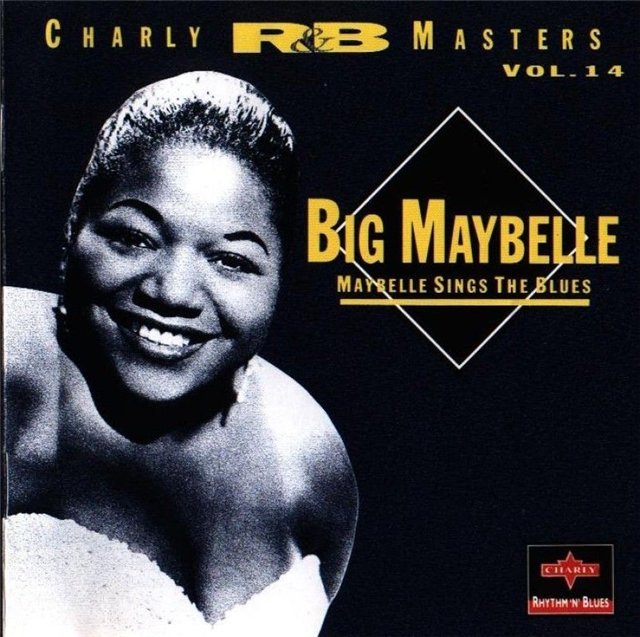
Big Maybelle's "Everybody's Got A Home But Me" is a bluesy meditation on freedom's inherent paradox: the simultaneous embrace and quiet lament of a solitary existence. The lyrics paint a vivid picture of a traveler, hopping from Frisco to San Jose, then Monterey, acutely aware of the settled lives they pass by. The repeated image of lighted windows and moonlit porches underscores the warmth and connection the narrator observes, a stark contrast to their own rootless journey. The song doesn't wallow in self-pity, but rather explores the complex emotional landscape of chosen independence. The line, "I am free and I'm happy to be free," is repeated, yet tinged with a certain defensiveness, a need to constantly reaffirm the chosen path. This almost feels like a mantra, a way to ward off the encroaching loneliness.
The brilliance of the song lies in its subtle acknowledgment of the human need for belonging, even within a consciously chosen life of freedom. The narrator's insistence on their happiness can be interpreted as a coping mechanism, a way to reconcile their desire for connection with their commitment to independence. The bluesy delivery, presumably laced with Maybelle's signature soulful inflections, no doubt amplifies this tension. The repeated line, "Everybody's got a home but me," isn't delivered as a bitter accusation, but more as a poignant observation, a recognition of a fundamental difference between the narrator and the seemingly settled world around them.
Ultimately, "Everybody's Got A Home But Me" resonates because it taps into a universal human experience: the tension between our desire for freedom and our need for connection. It's a song about the sacrifices we make in the name of independence, and the quiet moments of longing that inevitably arise. The final lines, where the narrator cries out to the "big empty sky," reveal the vulnerability beneath the facade of self-sufficiency. It's a bluesy prayer for a place to belong, a yearning that exists even in the heart of someone who has actively chosen a life on the road. The song's enduring power lies in its honest portrayal of this internal conflict, a conflict that continues to resonate with anyone who has ever felt the pull of both freedom and belonging.
 View Artist