Song Meaning
The narrator is on a "lonesome train," a clear image of solitary, difficult passage. Their heart is heavy with "aches and pain," setting a somber, burdened tone. The core of the sentiment, however, lies in the repeated promise: "Someday baby / After a while / You'll be sorry." This isn't just sadness; it's a prediction of future regret for the person who caused this pain.
The central tension arises from the contrast between the narrator's current suffering and their unwavering belief in future vindication. They describe "clouds are grey" that "you used to roll / All my clouds away," highlighting a loss of comfort and support. Yet, despite the "trouble trouble / All the time," the narrator explicitly rejects pity, stating "I don't want / Your sympathy." This defiant stance fuels the repeated refrain, turning sorrow into a prophecy.
The most striking craft element is the persistent, almost hypnotic repetition of "Someday baby / After a while / You'll be sorry." This isn't just a threat; it’s a mantra of self-assurance. The phrase "Way down the line" further emphasizes this long-term perspective, suggesting a deep-seated certainty that the other person will eventually realize their mistake. The simple, almost childlike phrasing belies a profound emotional conviction.
This lyrical approach works because it grounds a potentially bitter sentiment in a raw, direct emotional truth. The narrator isn't wallowing; they are enduring, armed with the knowledge that time will prove their worth and the other person's error. The refusal of pity, coupled with the confident prediction, creates a powerful sense of resilience, making the listener feel the weight of the present pain but also the quiet strength of future certainty.
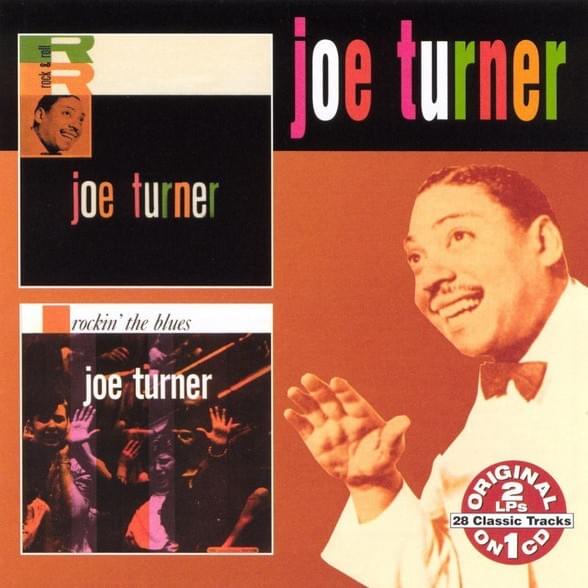
 View Artist