Song Meaning
The lyrics paint a picture of lingering frustration and disappointment, centered around a depleted supply of wine. The repeated phrase "All that wine is gone" acts as a stark, almost mournful refrain, emphasizing a sense of loss. The specific mentions of elderberry, choke cherry, and logan berry ground the abstract idea of 'wine' in tangible, perhaps homemade or artisanal, sources, suggesting a particular kind of pleasure has vanished. This isn't just about a drink; it's about the absence of something that brought comfort or enjoyment.
The central tension seems to stem from this depletion, leaving the narrator "mad as I can be." This anger is directed outward, possibly at a partner or a situation that led to the wine's disappearance. The line "Cause the one you catch at stores is ------" implies a specific, perhaps superior, quality of the missing wine that cannot be replicated by readily available alternatives. This hints at a deeper dissatisfaction beyond just the lack of alcohol, touching on unmet expectations or a loss of something unique.
The most striking element is the stark repetition of "All that wine is gone," which transforms a simple statement into an almost ritualistic lament. The inclusion of "must I tell?" adds a layer of weary resignation, as if the obviousness of the situation is itself a source of irritation. The brief narrative of the "baby" visiting and leaving because "the wine's all gone" further solidifies the idea that this absence has tangible, relationship-affecting consequences. It suggests that the wine was a crucial element, perhaps a facilitator of connection or a source of shared experience, now conspicuously absent.
Ultimately, the effectiveness of these lyrics lies in their directness and the way they elevate the mundane absence of wine into a potent symbol of broader dissatisfaction. The specificity of the berry types and the simple, repetitive structure create a feeling of inescapable, almost childish, pique. It’s this grounded, unvarnished expression of annoyance, amplified by the relentless refrain, that makes the narrator's frustration feel so palpable and relatable, even if the exact circumstances remain just out of reach.
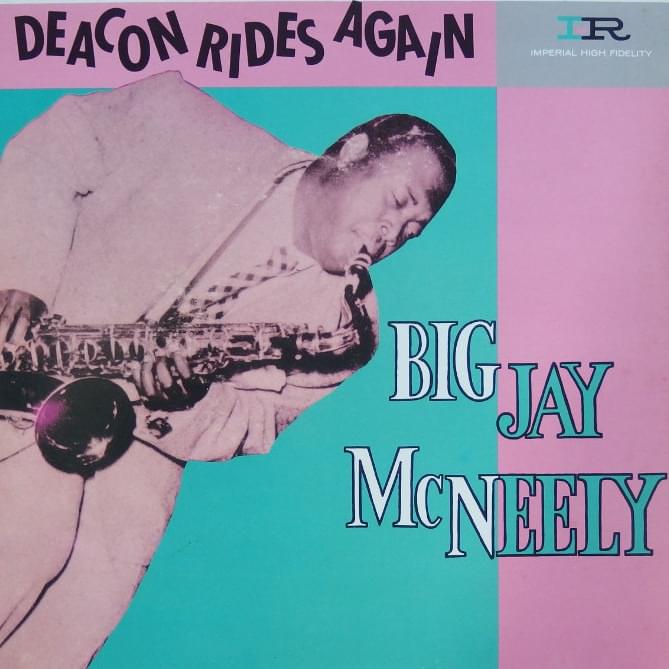
 View Artist