Song Meaning
This song paints a vivid picture of a sacred, internal space. It's a personal sanctuary where the narrator finds joy and spiritual connection, a place for both exuberant play and profound self-discovery. The repeated imagery of running, singing, and dancing suggests an uninhibited freedom and a deep sense of belonging. This isn't just a location; it's a state of being, a vibrant, living connection.
The central tension lies in the duality of losing and finding oneself, a paradox that defines this special place. It's where the narrator can shed the mundane and the ego, experiencing a transformative release. The phrase "religion finally dies" is particularly striking, suggesting a move beyond rigid dogma towards a more direct, personal encounter with the divine. This shedding of the old self allows for a renewal, a rediscovery grounded in divine love.
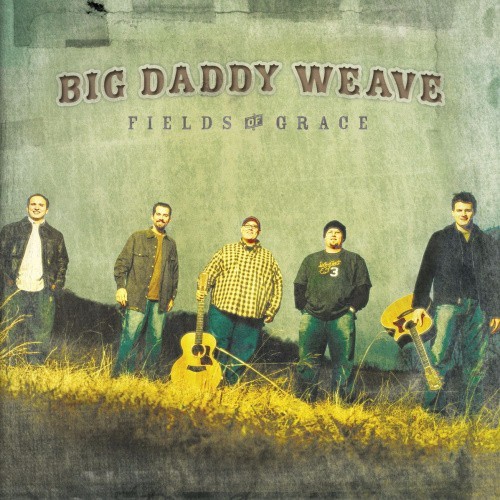
The recurring image of "Dancing with my Father God in fields of Grace" acts as the emotional and thematic anchor. This isn't a passive experience; it's an active, joyful communion. The reciprocal love is emphasized: "I love my Father, my Father loves me," and the divine presence is not just felt but heard, as "my Father sings over me." This intimate, personal relationship is presented as an unshakeable foundation, a source of enduring strength and peace.
Ultimately, the lyrics resonate because they articulate a profound spiritual longing and its fulfillment. The craft lies in its simple, direct language and powerful, repeated imagery, creating an atmosphere of pure, unadulterated bliss. The "fields of Grace" become a metaphor for this perfect, unassailable inner peace, a place where divine love is not just a concept but a palpable, life-affirming reality that "nothing can take away."
 View Artist