Song Meaning
The lyrics open with a narrator claiming intense, almost omniscient knowledge of another person, from their "ground you walk" to their "love of which you talk." This immediate intimacy quickly pivots to a startling self-realization. The speaker confronts an "enemy" only to declare, "I look and he was me." It's a sudden, profound twist of identity.
This revelation shatters any simple understanding of conflict. The "enemy" isn't merely an adversary; the narrator reveals a deeply intertwined history, stating they "fed his family" while the enemy fought for them. This suggests mutual dependence and shared struggle rather than pure antagonism. The repeated refrain, "Let it rise and fall forevermore," implies an acceptance of this cyclical, complex relationship, a recognition that these internal and external battles are ongoing.
The concept of a "haunted land" becomes central, repeated as a place "Where we're understood" and "That we come home to." This paradox suggests that true understanding and belonging are found not in pristine peace, but within the echoes of past conflicts and unresolved selves. The introduction of a "two headed king" further complicates this landscape, hinting at a dualistic authority or an internal division that the narrator, now aligned with "we two," must confront against "time and you."
These lyrics are effective because they force a re-evaluation of what it means to face an enemy, ultimately blurring the lines between self and other. The intricate web of past actions creates a rich, nuanced portrait of identity forged through conflict. The "haunted land" serves as a powerful metaphor for the inescapable nature of one's history and the complex, often unsettling, comfort found in being truly known, even by one's own ghosts.
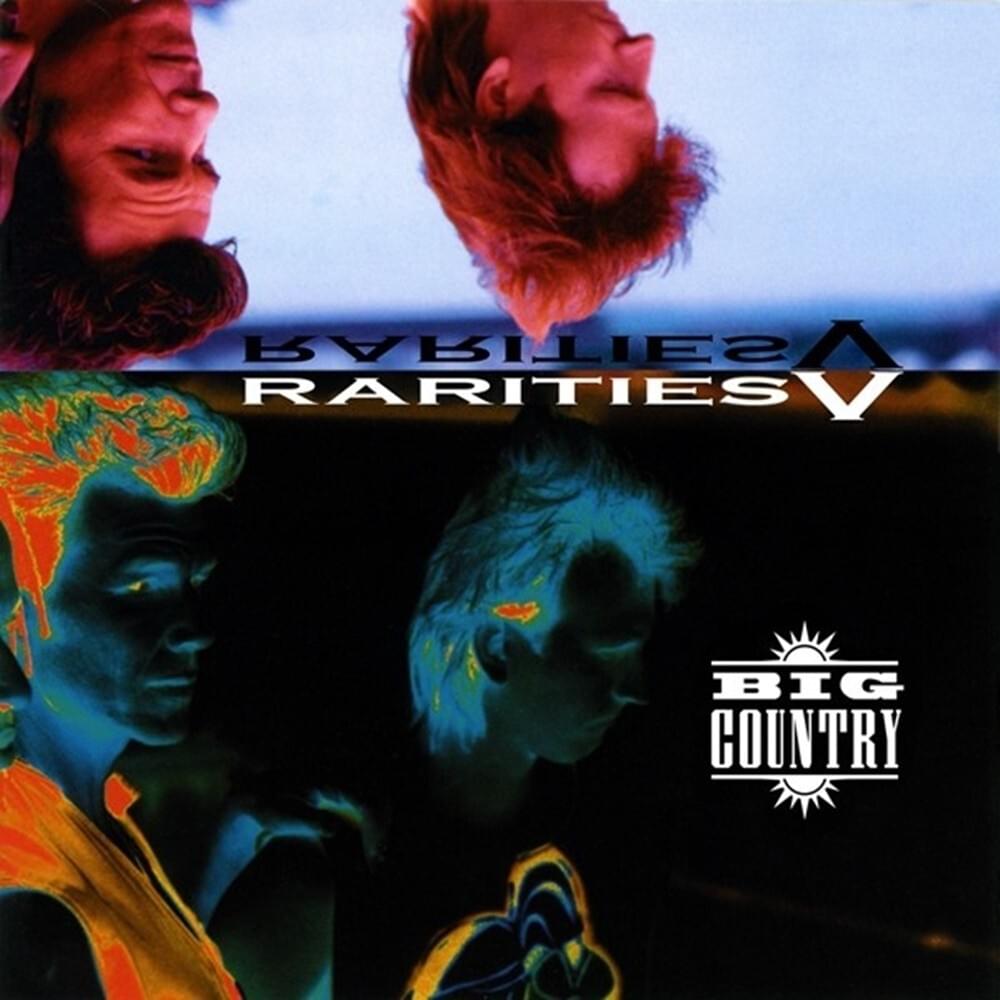
 View Artist