Song Meaning
The narrator is trapped in a cycle of rejection and defiance, feeling molded and broken by someone else's constant hate. They assert a fundamental change, declaring, "I'm not what I used to be," and positioning themselves on "the other side" of a divide, refusing to hide their new self. This isn't a plea for understanding, but a stark declaration of independence born from mistreatment.
The core tension lies in the push-and-pull of wanting to be accepted versus the resolve to break free from toxic dynamics. Phrases like "Give me or just give me away" and "Turn your back or just turn me away" highlight this paradox. The narrator seems to be daring the other person to complete the rejection, as if final abandonment is preferable to this ongoing torment. They are on the precipice of severing ties, ready to "cut the lines" if not released.
The most striking element is the narrator's defiant embrace of their altered state and the perceived superiority of what they've found on "the other side." The repeated assertion, "I'm on the other side," coupled with the cryptic "'Cause I got something you'll never find," suggests a newfound strength or perspective gained through hardship. This isn't just about being different; it's about possessing something valuable that the oppressor lacks, a secret resilience or truth.
This writing hits hard because it captures the raw, often messy, process of reclaiming one's identity after being systematically devalued. The stark, almost confrontational language mirrors the emotional intensity of drawing a boundary and standing firm, even if it means embracing isolation. The final, echoing "You'll never find!" leaves a lingering sense of hard-won self-possession and an unbridgeable gap between the narrator and their former tormentor.
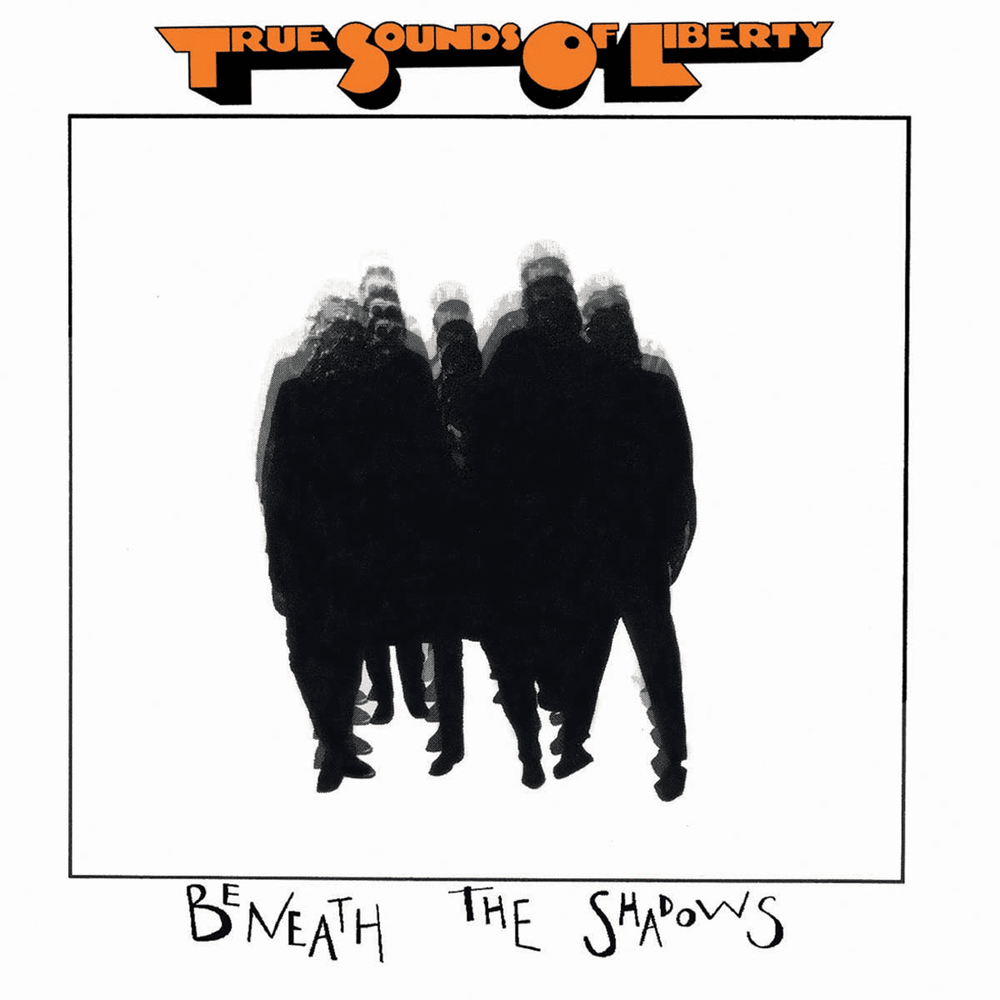
 View Artist