Song Meaning
The song paints a picture of enduring a harsh present with the hopeful anticipation of a better future. The narrator is actively preparing for this arrival, cleaning teacups and setting out chairs, suggesting a readiness to welcome someone or something positive. This waiting period is marked by loneliness and pain, described as "cigarette smoke and lyrics floating around the room," a tangible representation of solitary introspection and creative struggle. The dominant tone is one of patient resilience, a quiet determination to weather the storm until spring finally arrives.
The central tension lies between the suffocating present and the longed-for future. The lyrics acknowledge the difficulty of the current moment, referencing a "fiercely swirling winter" and the inability of "loneliness" to leave the narrator alone. Yet, this struggle is framed not as despair, but as a necessary passage. The promise of "warm spring" serves as a powerful motivator, a beacon guiding the narrator through the cold. This contrast between the biting present and the hopeful future is the engine driving the song's emotional arc.
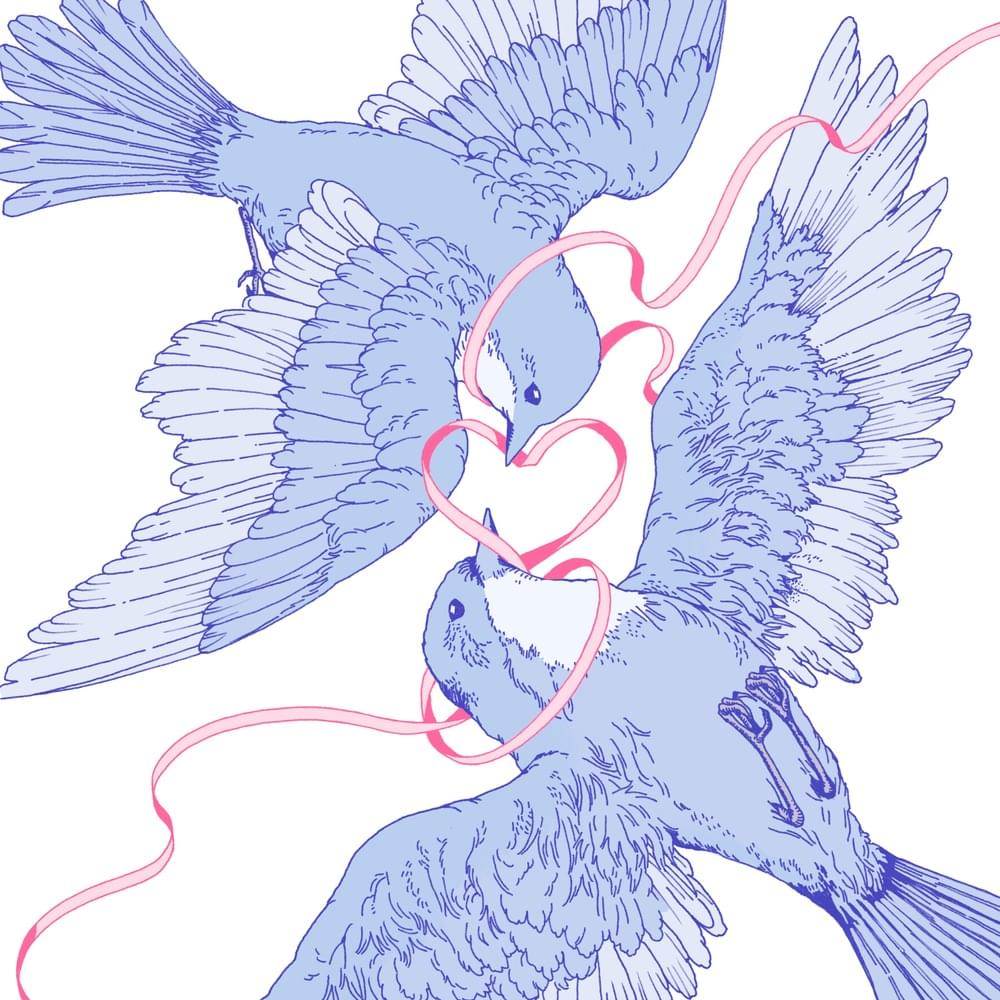
The recurring image of the "bluebird" is particularly striking. It's presented as a messenger of "sweet time," a symbol of the happiness the narrator yearns for. The narrator shifts from passively waiting for the bluebird to arrive to actively going out to meet it, "riding the wind." This evolution suggests a growing agency and a proactive embrace of the coming joy. The transformation from "I will put out two chairs" to "I will become a good person for you" also highlights a personal growth spurred by this anticipation, aiming to be worthy of the awaited happiness.
Ultimately, the lyrics resonate because they articulate a universal human experience: enduring hardship with the steadfast belief that better days are possible. The craft lies in its specific, grounded imagery – the teacups, the chairs, the smoke-filled room – which makes the abstract hope for happiness feel tangible. The narrator's commitment to preparation, even amidst pain, offers a quiet, powerful message of self-empowerment and the enduring strength found in looking forward.
 View Artist