Song Meaning
The lyrics of "비누 (BINU)" present a stark contrast between public perception and the narrator's internal struggle for renewal. Initially, the narrator is described by others as "innocent as newborn infant" and "naked bibi 착하더라" (naked bibi was good/kind), suggesting a pure, unblemished image. However, this facade quickly crumbles as the second verse reveals a more critical view: "저년 저거 이상했다" (that girl was weird) and "머릿속에 어떤 것이 들어있는지 모르겠다" (I don't know what's inside her head). This immediately establishes a tension between the external presentation and the hidden, perhaps chaotic, inner self.
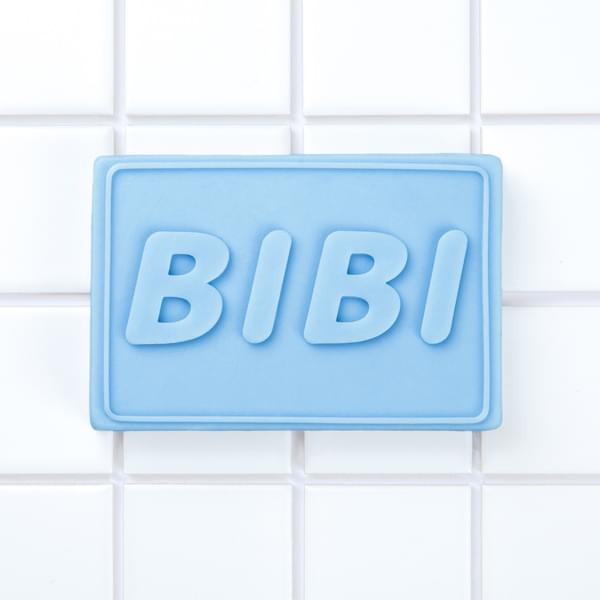
The core of the song lies in the narrator's desperate desire to cleanse herself of past mistakes and perceived impurities. The pre-chorus explicitly asks, "Do you know how to keep myself clear?" and lists the burdens: "술 냄새와 담배 연기" (smell of alcohol and cigarette smoke), "Kissy hickey and shit," "오늘했던 거짓말과 어제했던 bad decision" (lies told today and bad decisions made yesterday). The repeated plea, "다 비누로 씻어내는거지" (washing it all away with soap), frames the act of washing as a metaphorical attempt to erase these negative experiences and start anew.
The repeated chorus, "비누 비누 let's be new," acts as an insistent mantra, a hopeful but perhaps naive aspiration for transformation. The imagery in Verse 3, "In the shower in the tub, Pool party that I threw," juxtaposes a desire for cleansing with a potentially wild, uninhibited past. The line "씻고나면 또 못알아보고서 / Bibi naked 착하더라" (After washing, they don't recognize me again / naked bibi was good) highlights a cyclical pattern: a cleansing leads back to a perceived innocence, only for the cycle to potentially repeat. The final verses offer a more direct plea for this renewal: "비누로 깨끗이 씻어내자 / Brand new brand new 마음되자" (Let's wash it clean with soap / Let's become a brand new heart).
Ultimately, the effectiveness of these lyrics stems from their raw, almost confessional tone, directly confronting the gap between outward appearance and inner turmoil. The repeated use of "비누" (soap) as a central metaphor for purification and a fresh start is simple yet potent. It taps into a universal desire for absolution and the hope that one can shed the weight of past actions, even if the lyrics suggest this is a difficult, perhaps temporary, state to achieve. The narrator's yearning to "wash away the wounded things" and reveal a "pretty heart within" underscores a deep-seated need for acceptance and self-forgiveness.
 View Artist