Song Meaning
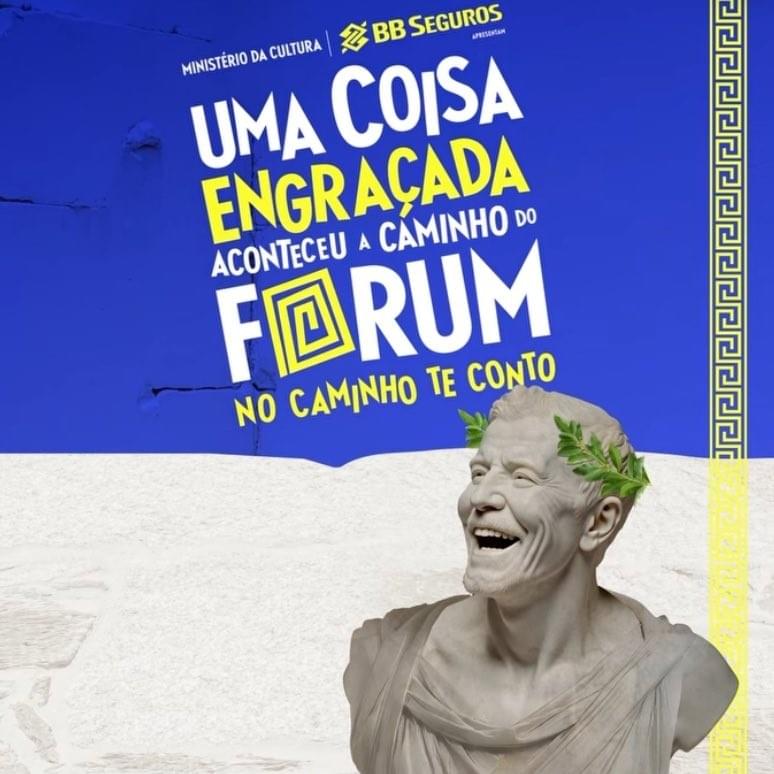
This closing number throws a chaotic, celebratory party where everyone claims victory, even as the central romance teeters on the brink. The lyrics paint a picture of a grand, messy finale, with characters like Pseudolus declaring their freedom and others like Miles anticipating personal gain. The rapid-fire declarations create a sense of breathless exhilaration, a whirlwind of individual desires colliding.
The dominant tension arises from the contrast between the "pombinhos" (lovebirds) whose "comédia" is about to end and the surrounding characters who see this as their moment of triumph. While Hero and Philia’s relationship might be concluding, it serves as the catalyst for everyone else’s supposed good fortune, from Senex’s dramatic pronouncements to Lycus’s stark declaration of loss. This creates a darkly comedic undercurrent, where personal happiness is built on another’s misfortune.
The most striking craft element is the sheer speed and fragmentation of the dialogue, mimicking a commedia dell'arte performance where multiple plotlines resolve simultaneously. The repeated exclamations of "Livre!" (Free!) by everyone, especially Pseudolus, underscore a collective desire for liberation, even if the source of that freedom is the potential dissolution of the main couple. The final lines, "Moral da história: / Nem sempre é hora / De ensinar uma lição," suggest a pragmatic, perhaps cynical, approach to conflict resolution, prioritizing immediate joy over moral reckoning.
What makes these lyrics so effective is their embrace of pure, unadulterated chaos as a form of celebration. The overwhelming sense of everyone getting what they want, even if it’s contradictory or self-serving, creates a powerful, albeit fleeting, feeling of catharsis. The final, almost breathless, "foi bom gargalhar!" (it was good to laugh!) leaves the listener with the impression of a wild, unforgettable performance that prioritizes amusement above all else.
 View Artist