Song Meaning
The lyrics paint a picture of someone holding onto a deep, almost physical connection with another person, even amidst a busy life and internal turmoil. The repeated phrase "Io ho te" (I have you) grounds the entire narrative, suggesting a constant presence that transcends immediate circumstances. This possession isn't about ownership, but rather an ingrained awareness, as if the other person is packed "dentro le mie valige" (inside my suitcases) or present "nel deserto del mio pensiero" (in the desert of my thought). It's a feeling that permeates everything, from the rush of returning home to the very texture of their own skin.
The central tension arises from the narrator's desire to express this profound connection without imposing it. They ask for forgiveness, "Mi perdoni se lo dico?!" (Forgive me if I say it?!), revealing an awareness that this intense feeling might be burdensome. The plea "non sentirlo mai un impegno" (never feel it as an obligation) and the suggestion to "Pensa solo che...sia una poesia" (just think it's a poem) highlight a delicate balancing act: cherishing the presence while granting absolute freedom. The other person is encouraged to "stai dove mai nessuno è stato" (stay where no one has ever been), emphasizing their unique, untethered existence.
The most striking aspect of the writing is the juxtaposition of intimate possession with radical liberty. The narrator claims "Io ho te" even when the other person is distant, silent, or unaware, "anche se non mi guardi" (even if you don't look at me) and "Nei tuoi lunghi silenzi" (in your long silences). This suggests a love or connection that exists independently of reciprocation or even acknowledgment. The instruction "Non sentirti il mio traguardo" (Don't feel yourself my goal) further solidifies this idea, positioning the connection not as an end-point to be achieved, but as an ongoing, uncontainable force.
Ultimately, the lyrics resonate because they capture the complex nature of deep affection that doesn't demand control. It's the feeling of carrying someone within you, a quiet certainty that exists alongside the acknowledgment of their separate, free spirit. The writing crafts an emotional landscape where presence and absence, possession and liberation, coexist, creating a poignant expression of love that respects boundaries even as it affirms an unbreakable bond.
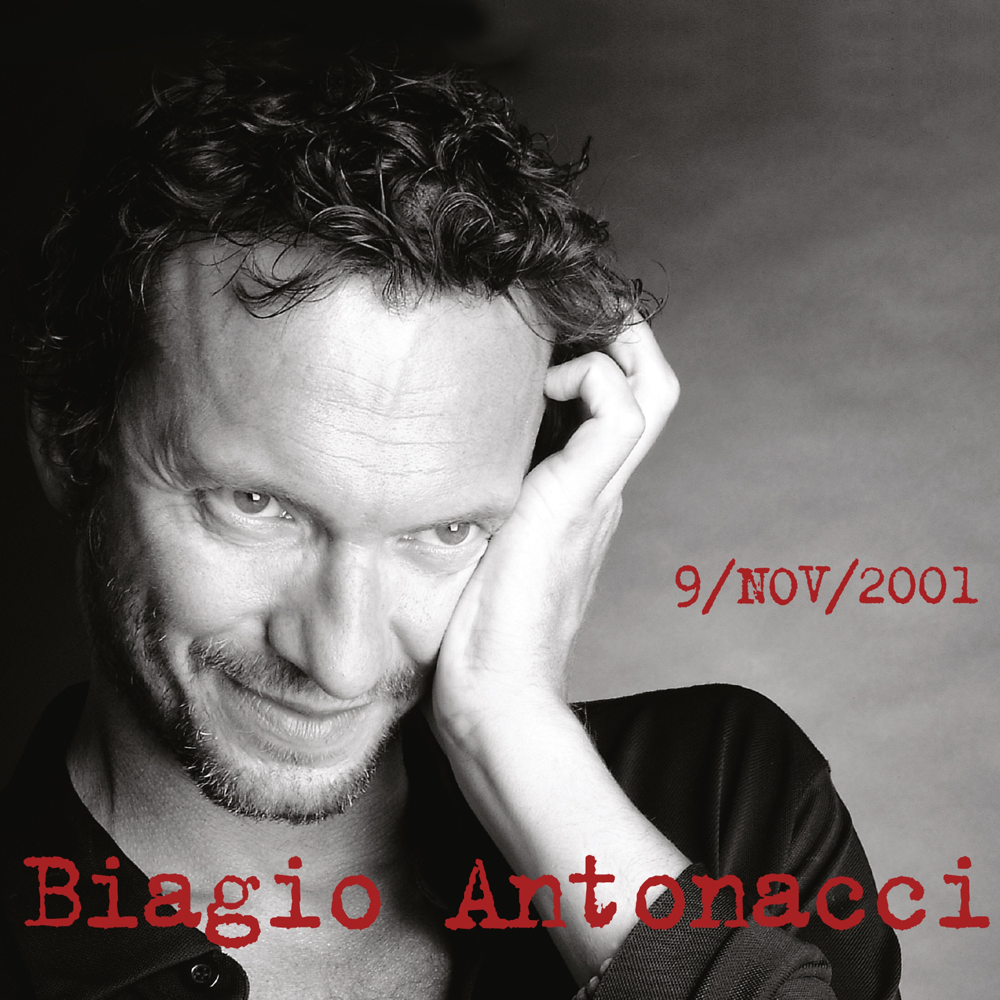
 View Artist