Song Meaning
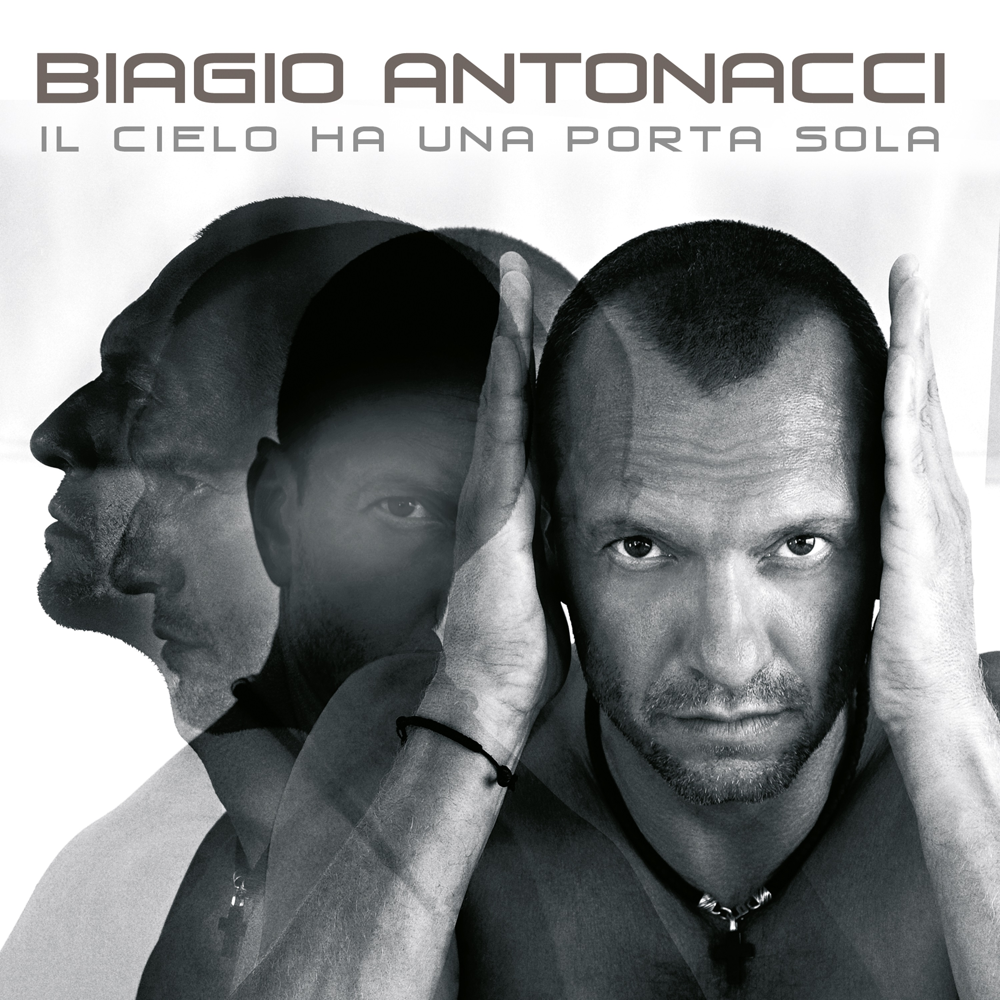
The lyrics paint a picture of a delicate internal shift, moving from a harsh external force to a gentler, more self-aware state. The opening lines, "Ha smesso quel bel vento" (That beautiful wind has stopped) and "Considera che in me è primavera da mezz'ora" (Consider that in me it's been spring for half an hour), suggest a transition from a period of discomfort or struggle to one of budding personal renewal. This internal spring is framed by a singular, almost sacred opening: "Il cielo ha una porta sola" (Heaven has only one door), implying a unique, perhaps difficult, path to peace or understanding.
The central tension arises from a complex relationship, articulated through the repeated phrase, "Tu mi piaci tu mi dici" (I like you, you tell me). This isn't a simple declaration of affection; it's complicated by the admission, "Non sono in grado di amarti come vuoi" (I am not able to love you as you want). The narrator acknowledges their own limitations, stating, "Non meriti la parte mia peggiore no, tu no" (You don't deserve my worst part, no, you don't). This suggests a conscious effort to protect the other person from their own flaws, creating a poignant distance even within attraction.
The writing uses striking imagery to convey this emotional landscape. The idea of writing "da qui / Che è anche terra tua" (from here / Which is also your land) is particularly evocative, likening the act of communication to sharing breath: "È come farti respirarti quello che respiro" (It's like making you breathe what I breathe). This intimate, almost visceral connection is contrasted with the possibility of no response: "Potrei anche non ricevere" (I might not even receive anything). The recurring motif of the single door to heaven reappears, now with an imperative: "aprilala, aprila" (open it, open it), urging the recipient to engage with this unique, perhaps vulnerable, path.
Ultimately, the effectiveness of these lyrics lies in their nuanced portrayal of self-awareness and cautious affection. The narrator is not simply expressing love but grappling with their capacity for it, choosing to offer a version of themselves that is not their
 View Artist