Song Meaning
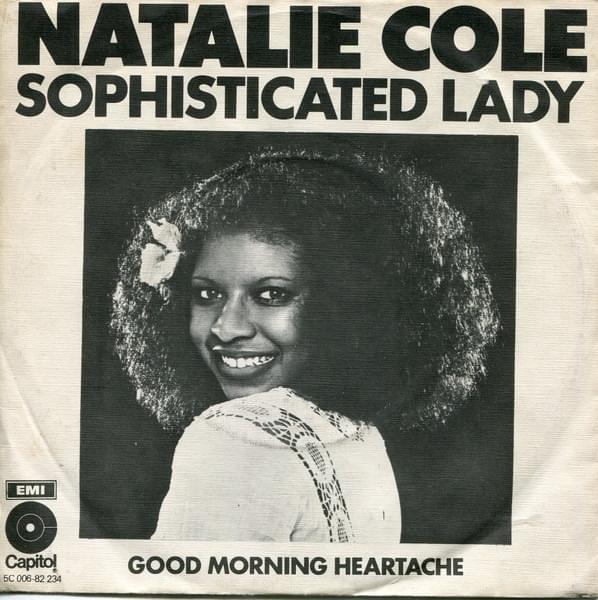
{"song_id": 10372311, "meaning": "Natalie Cole's rendition of \"Good Morning Heartache\" isn't just a song; it's a masterclass in emotional intimacy, a raw, honest conversation with the ever-present shadow of heartbreak. The genius lies in personifying heartache itself, transforming it from an abstract feeling into a familiar, unwelcome houseguest. Cole isn't wallowing; she's acknowledging, almost wryly, the constant companionship of pain. The opening lines, a weary \"Good morning heartache, you old gloomy sight,\" set the stage for a relationship built on resigned acceptance. It's the greeting of someone who knows their suffering intimately, a daily ritual of facing the inevitable. The lyrics subtly suggest that this heartache isn't a fleeting visitor but a permanent resident, moving in after a love has \"gone away,\" highlighting the lasting impact of lost love. This personification allows Cole to explore the nuances of grief with a startling directness.
The song's power comes from its refusal to romanticize suffering. There's no soaring melodrama, no desperate pleas for escape. Instead, there's a stark recognition of heartache's persistence: \"Wish I'd forget you, but you're here to stay.\" This acceptance, however grudging, is a key element of the song's psychological depth. It's about navigating life with the weight of loss, finding a way to function even when shadowed by pain. The repetition of \"Good morning heartache\" becomes a mantra, a way of framing the day, acknowledging the pain before it consumes.
Ultimately, \"Good Morning Heartache\" is a study in resilience, not in the triumphant, chest-beating sense, but in the quiet, everyday act of getting out of bed despite the ache. The final verses, where Cole seems to resign herself to heartache's presence—\"I guess I might as well get used to you hanging around\"—isn't defeat, but a form of weary strength. It's the sound of someone making peace with their pain, integrating it into their life story. Natalie Cole doesn't just sing about heartache; she embodies the complex, often contradictory emotions that come with living alongside loss, offering a nuanced portrait of the human heart's capacity to endure."}
 View Artist