Song Meaning
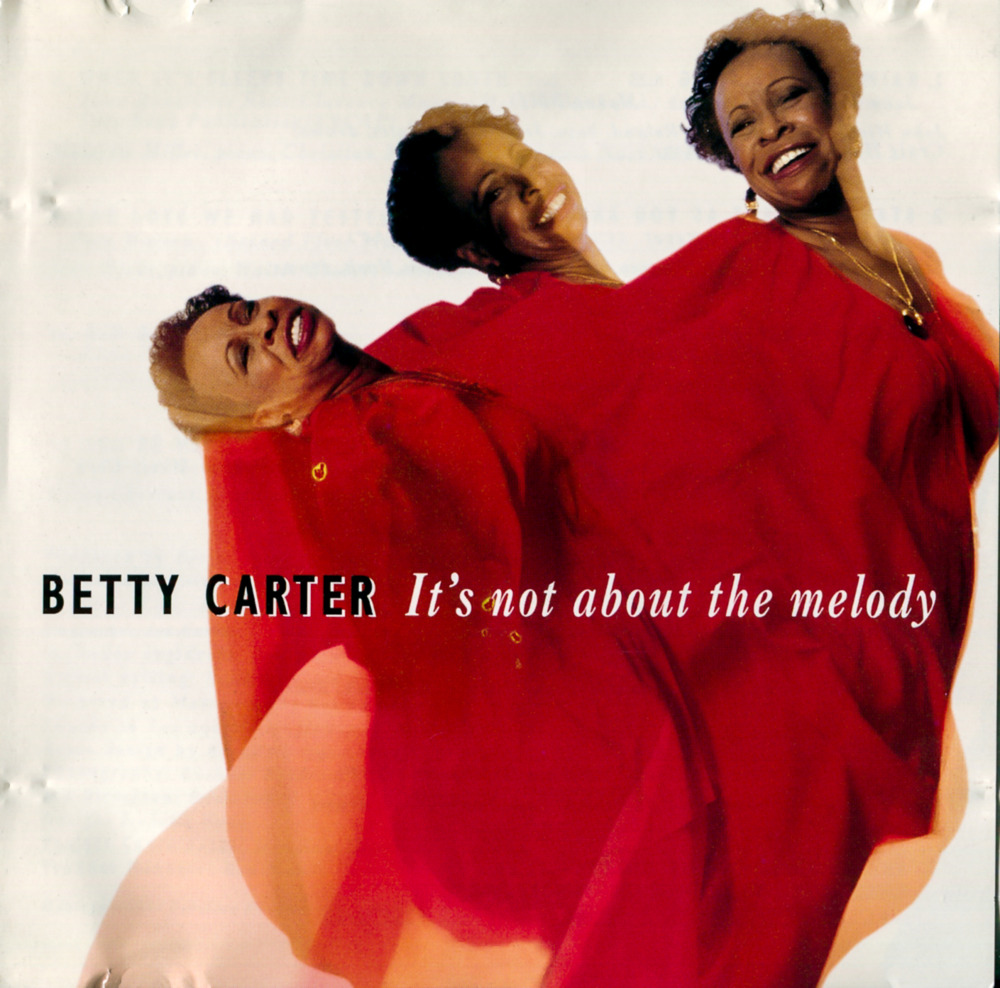
{"song_id": 14668709, "meaning": "Betty Carter's rendition of \"In The Still Of The Night\" is not merely a love song; it's a psychological portrait of vulnerability painted against the backdrop of nocturnal solitude. The lyrics delve into the anxious space between desire and uncertainty, a space familiar to anyone who's ever laid awake wondering if their affections are reciprocated. The opening lines immediately establish a scene of quiet contemplation, the narrator gazing out at the moon, her thoughts inevitably drifting to the object of her affection. This image of solitary observation is crucial; it highlights the internal nature of the struggle. The 'still of the night' becomes a metaphor for the quiet hours when our doubts and insecurities tend to surface, amplified by the absence of daytime distractions. It's a moment of raw honesty, stripped bare of pretense. The question \"Do you love me, as I love you?\" is not a simple request for reassurance, but a desperate plea against the potential for heartbreak.
The lyrics' power lies in their ability to capture the precariousness of hope. The narrator doesn't just yearn for love; she longs for a future, a dream come true. Yet, this dream is fragile, threatened by the possibility of fading 'out of sight.' This fear of disillusionment is a universal human experience, and Carter's interpretation amplifies this with her signature improvisational style and emotional depth. The recurring image of the 'moon growing dim' is a particularly potent symbol of waning hope and the encroaching darkness of disappointment. It mirrors the narrator's internal state, as her initial optimism is gradually eroded by doubt. The repetition of this imagery reinforces the cyclical nature of anxiety, the way our fears can resurface and intensify in moments of quiet reflection.
Ultimately, \"In The Still Of The Night\" as performed by Betty Carter, transcends the typical love ballad. It's a sophisticated exploration of the human condition, a poignant reminder of the emotional risks inherent in opening our hearts to another person. The song's meaning resides not just in the words themselves, but in the unspoken anxieties they represent – the universal fear of unrequited love and the vulnerability that comes with daring to dream."}
 View Artist