Song Meaning
The lyrics paint a stark picture of fractured perception and broken connection, beginning with the disorienting image of "two skies and just one moon." This immediately establishes a sense of dissonance, suggesting a fundamental disagreement or inability to share a common reality. The narrator questions how a mind could change so quickly, implying a sudden, perhaps inexplicable, shift in perspective that leaves them bewildered. The line "We only look at what we want to see" serves as a blunt diagnosis for this disconnect, highlighting a willful blindness that prevents genuine understanding.
The central tension emerges from the contrast between outward appearances and internal realities, particularly in the recurring refrain: "Hear the grass, it sings / Even in this silent spring / Rip out the seed / And watch it bleed." This juxtaposition is striking; a "silent spring" evokes a natural world devoid of its usual vibrancy, yet the grass still manages to sing, suggesting a hidden life or a desperate cry. The violent imagery of ripping out a seed and watching it bleed underscores a destructive impulse, a deliberate act of extinguishing potential or vitality, even amidst a quiet desolation.
This theme of division and isolation is further developed through the "two lives" motif. Whether referring to individuals, relationships, or differing paths, the lyrics state "either one of them is still alone." This reinforces the idea that despite shared elements like a "dream" or a "home," true unity is elusive, leaving at least one party in solitude. The subsequent enumeration of distinct, often marginalized figures – "the slacker," "the sly," "the little girl that never cried," "the looser," "the lame," and "the little guy that never came" – creates a mosaic of disconnected experiences, each seemingly isolated in their own struggle or absence.
The effectiveness of these lyrics lies in their potent, almost brutal, simplicity. The repeated, stark images – the "two skies," the "silent spring," the "bleeding seed" – create a powerful emotional resonance without over-explanation. The narrator's direct, almost accusatory, tone in questioning the change of mind and stating the selective nature of vision draws the listener into this world of fractured realities and quiet despair, making the underlying sense of loss and disconnection palpable.
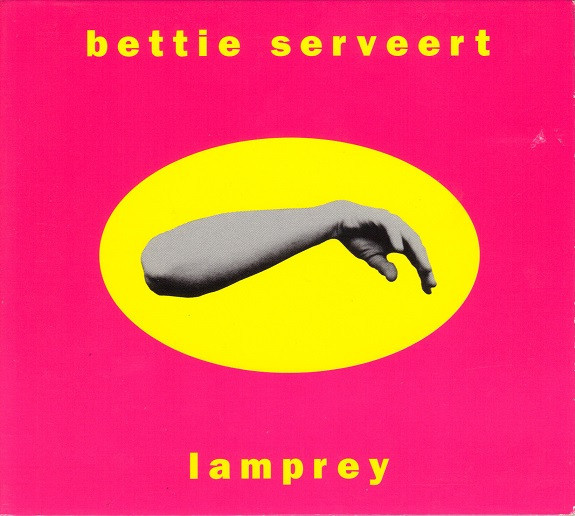
 View Artist