Song Meaning
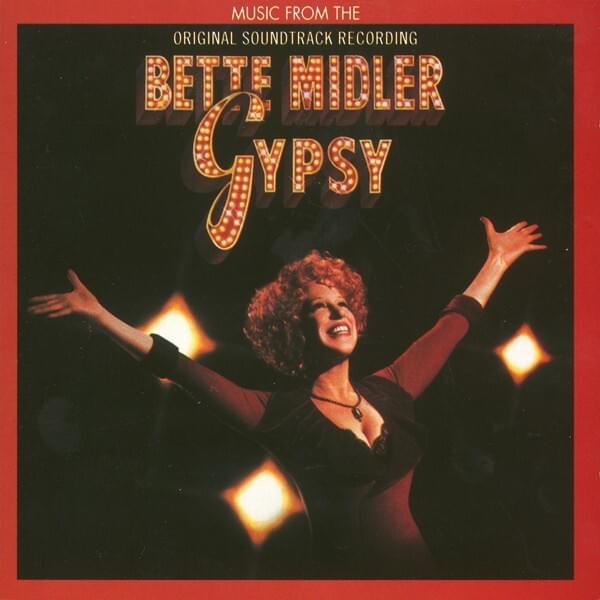
Bette Midler's rendition of "Baby June and Her Newsboys" isn't just a song; it's a theatrical time capsule, a hyper-stylized vaudeville number designed to evoke a very specific, and slightly unsettling, nostalgia. The initial fanfare, delivered by the 'newsboys,' immediately frames young June as a manufactured spectacle. They aren't selling newspapers; they're selling the *idea* of a child star, complete with 'historical news' and a 'barrel of charm.' The language drips with the exaggerated hype of old-time show business, hinting at the intense pressure and artificiality surrounding child performers. It's less about genuine talent and more about the carefully constructed image of innocence and precociousness. The repeated emphasis on 'extra! extra!' feels almost desperate, a forced attempt to generate excitement around what is, essentially, a product. The song's meaning lies in its knowing wink at the machinery of fame.
When 'Baby June' herself takes the stage, the tone shifts, but the underlying tension remains. Her lyrics, while seemingly innocent, are laced with a performative eagerness to please. 'Let me entertain you, let me make you smile' isn't a heartfelt offer; it's a calculated transaction. The phrase 'if you're real good, I'll make you feel good' carries a strange weight, suggesting a dynamic where affection is conditional and dependent on audience approval. This is the emotional core of the song's meaning: the unspoken demand placed on child performers to constantly earn their worth through entertainment. The tap dance, though not lyrical, further underscores this point, highlighting the physical exertion and relentless practice required to maintain the illusion of effortless charm.
The song's brilliance, particularly in Midler's interpretation, lies in its ability to simultaneously entertain and critique. It's a celebration of a bygone era of show business, but also a subtle commentary on the exploitation inherent in child stardom. The relentless energy and forced enthusiasm become almost unsettling upon closer inspection. It's a funhouse mirror reflection of the pressures faced by young performers, where their own desires and well-being are often secondary to the demands of the audience and the ambitions of their handlers. "Baby June and Her Newsboys" is, ultimately, a cautionary tale wrapped in a catchy tune, a reminder that the bright lights of the stage can often cast long, dark shadows.