Song Meaning
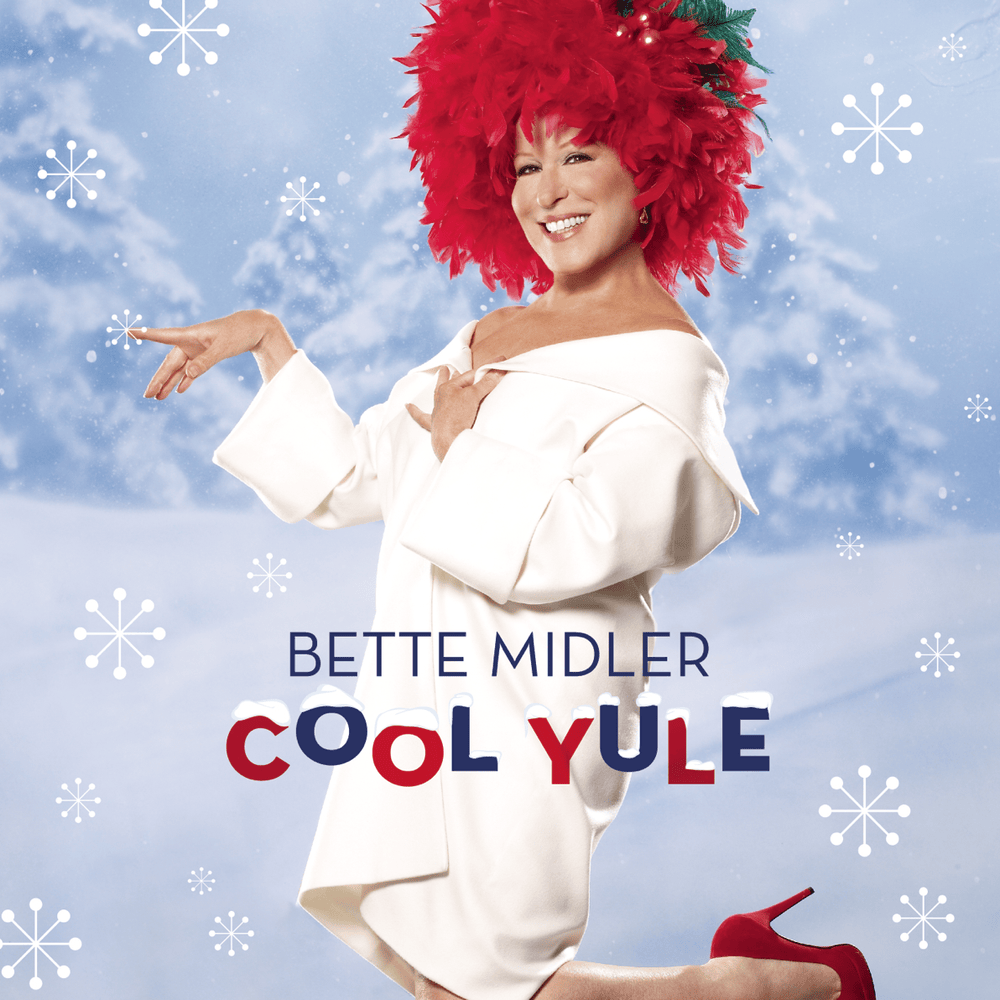
Bette Midler's rendition of "White Christmas" isn't just a carol; it's a study in longing and the sometimes-bittersweet sting of displacement. The opening juxtaposition is key: sunshine, swaying palms, the idyllic Beverly Hills scene. It's a picture of perfection, almost aggressively so. But the quick pivot to "December the twenty fourth / And I am longing to be up north" cracks the facade. It's a yearning that cuts through the manufactured cheer. The song, therefore, becomes less about the holiday itself and more about the internal conflict of wanting something you can't have, or at least, don't currently possess. It's a common feeling, particularly poignant during a season so heavily laden with expectation and nostalgia.
The dream of a "White Christmas," as Midler interprets it, isn't merely about snow. It's about a constellation of sensory experiences: the glistening treetops, the hushed anticipation of children, the sound of sleigh bells. These are touchstones of a specific kind of childhood, a very particular cultural ideal. The lyrics evoke a past that may or may not have existed in its idealized form, but the emotional weight of the memory is undeniable. The act of writing Christmas cards, then, becomes more than a simple tradition. It's a ritualistic attempt to conjure that lost world, to project the "merry and bright" fantasy onto others, perhaps as a way of convincing oneself.
Ultimately, Midler's delivery infuses the song with a subtle undercurrent of melancholy. It's not simply a cheerful wish for a white Christmas; it's a recognition of the distance between the dream and the reality. The repetition of "May your days be merry and bright / And may all your Christmases be white" takes on a slightly desperate tone. It’s as if by sheer force of will, by repeating the mantra, the singer hopes to bridge the gap between the sunny, palm-lined present and the snowy, nostalgic past. It's a powerful expression of the human desire for connection, for belonging, and for the comfort of familiar traditions, even when those traditions feel impossibly far away.
 View Artist