Song Meaning
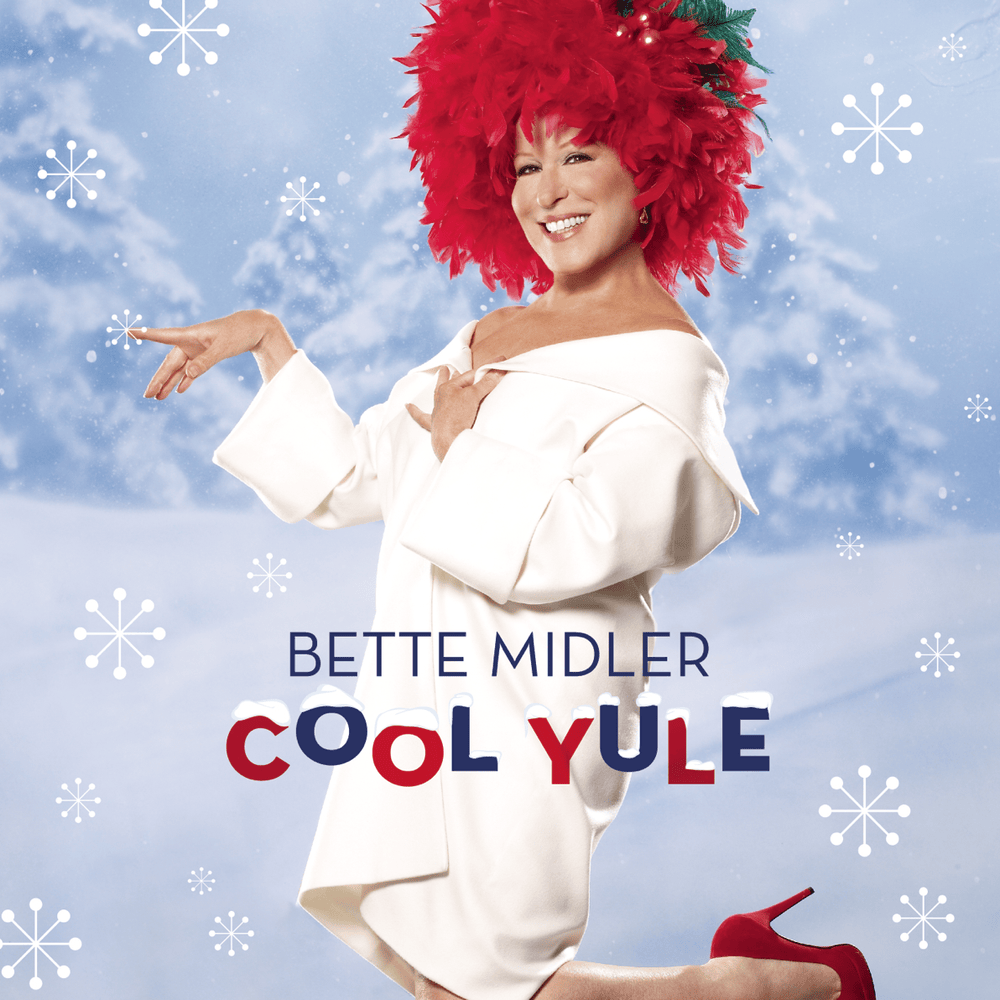
Bette Midler's rendition of "Have Yourself a Merry Little Christmas" carries the weight of bittersweet hope. The song, ostensibly a Christmas carol, functions more profoundly as a delicate negotiation with despair. The opening lines, a gentle urging to 'let your heart be light,' are immediately undercut by the implied acknowledgment that hearts are, in fact, heavy. This tension between forced cheer and underlying sorrow is the song's emotional core. It doesn't promise a carefree holiday, but rather a temporary reprieve, a conscious decision to set aside 'troubles' for a fleeting moment. The 'miles away' offer isn't a guarantee, but a fragile wish.
The nostalgic imagery of 'olden days' and 'golden days of yore' reinforces this sense of longing. It speaks to a yearning for simpler times, for the comfort of tradition and the unwavering presence of 'faithful friends.' The gathering of loved ones becomes not just a celebration, but a vital act of emotional preservation. It's a bulwark against the uncertainties of life, a temporary circle of warmth in the face of an indifferent world. Midler's interpretation understands that sometimes, the greatest gift is the illusion of stability and connection.
However, the song avoids tipping into outright sentimentality due to the crucial conditional clause: 'If the Fates allow.' This acknowledgment of external forces, of the potential for things to fall apart, adds a layer of realism and depth. It transforms the song from a simple wish into a prayer, a plea for continued grace. The final image, 'Hang a shining star upon the highest bough,' is not just a decorative gesture, but an act of defiant optimism. It's a symbol of hope raised against the darkness, a fragile but persistent light in the face of an uncertain future. The 'merry little Christmas' isn't a given; it's something to be actively created, to be willed into existence.
 View Artist