Song Meaning
The lyrics paint a stark picture of a caravan, "exul do deserto ao sul," wandering through a harsh, arid landscape. A "rugidoura voz" – a roaring voice – fills the air, immediately signaling distress and a plea for divine intervention against the "simum traidor" (treacherous sirocco wind) and the "aridez do estio" (summer's aridity). The dominant tone is one of desperation and vulnerability, as the travelers face the unforgiving elements and question their fate.
The central tension arises from the stark contrast between the fervent pleas for protection and the apparent silence of the divine. The narrator repeatedly cries out, "Protegei, Senhor" (Protect, Lord), begging for deliverance from the destructive forces of nature. Yet, this desperate supplication is met with a crushing realization: "Mas, oh, ironia, Deus a nada ouvia!" (But, oh, irony, God heard nothing!). This dramatic turn underscores the profound helplessness of the travelers in the face of overwhelming natural forces and a seemingly indifferent higher power.
The most striking aspect of the writing is its direct confrontation with divine silence. The lyrics build anticipation with repeated calls for help, only to deliver a devastating punchline of unanswered prayer. The imagery of the "simum traidor" and the "areal bravio" (wild sand plain) creates a visceral sense of being overwhelmed. The final lines, "Cumpriu-se o destino / Na desolação suplicas-te em vão beduíno" (Destiny was fulfilled / In desolation you pleaded in vain, Bedouin), solidify the tragic outcome and the futility of their pleas.
This lyrical narrative is effective because it taps into a primal fear of abandonment and the raw struggle against insurmountable odds. The direct, almost accusatory, revelation of God's silence transforms a story of natural disaster into a profound statement on faith and despair. The stark imagery and the crushing irony leave a lasting impression of vulnerability and the harsh realities of existence when prayers go unanswered.
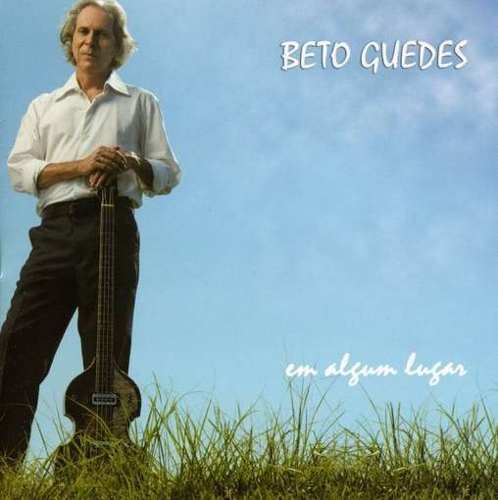
 View Artist