Song Meaning
The lyrics open with a tender, moonlit serenade. The speaker imagines arriving at night, guitar in hand, to gently wake someone with a song. This act isn't just about waking; it's an invitation to a shared moment of reflection. There's an immediate sense of quiet longing.
At the heart of "Cantar" lies the profound concept of *saudade* – that untranslatable Portuguese longing. The speaker suggests that hearing the song might prompt the listener to sing "com saudade" too, recalling "aventuras passadas" or a "passado feliz". This isn't just about the speaker's feelings; it's a recognition that music has a universal, almost involuntary power. It makes "recordar sem querer" a kiss, a smile, or any other past joy.
The true brilliance of these lyrics emerges in their understanding of music's paradoxical nature. While singing can undeniably conjure up poignant memories, it also serves as a potent antidote. The speaker reveals that "Cantando aos acordes do meu violão" is precisely how they "mando depressa ir-se embora saudade". This isn't passive acceptance; it's an active, almost defiant, use of art to confront and dispel the very longing it might initially evoke.
Ultimately, "Cantar" resonates because it captures a deeply human experience: the complex relationship between music, memory, and emotion. The gentle imagery of moonlight and guitar chords creates an intimate setting, making the speaker's internal struggle feel immediate. By framing singing as both a catalyst for remembrance and a powerful release, the lyrics offer a nuanced perspective on how we navigate our past. It's a quiet testament to music's enduring capacity to heal and transform.
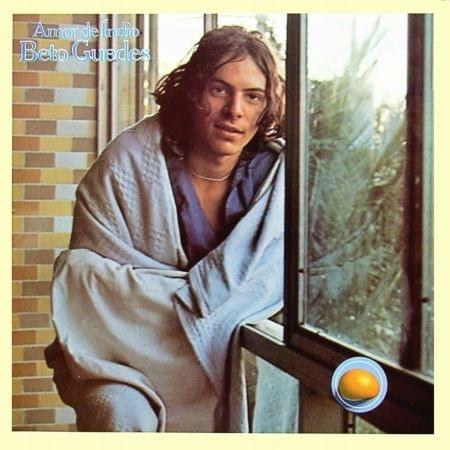
 View Artist