Song Meaning
The lyrics paint a stark, almost apocalyptic picture, beginning with a sense of pervasive "black hopelessness." This darkness seems to corrupt and undermine established power or purity, as suggested by the "venoms the hidden unholiness / Of your withered virgin." The imagery is confrontational, with "speechless remonstration" and "risen dominion" clashing against a tide of decay and dark forces. It feels like a spiritual or ideological battleground where sacredness is being defiled.
The central tension arises from a perceived shift from a period of divine authority to a bleak, inescapable void. The "age of the glorified god" is explicitly stated to be yielding to "a cold endlessness." This transition isn't gentle; it's described with a chilling finality, a "vivid stiffness" that anticipates the narrator's own surrender. This suggests a profound loss of faith or meaning, replaced by an overwhelming sense of doom.
The most striking craft element is the juxtaposition of religious and sacrilegious imagery. Terms like "virgin," "risen dominion," and "glorified god" are set against "unholiness," "blasphemic lust," and "dark superstition." This creates a powerful sense of perversion and decay, as if the very foundations of belief are being inverted. The "second coming" is re-contextualized not as salvation, but as a "faceless lash" marking the narrator's grim fate in this corrupted landscape.
This writing is effective because it weaponizes familiar religious language to articulate a profound spiritual desolation. The stark, almost violent imagery creates an immediate visceral reaction, while the narrative of a decaying divine age and a foreboding "second coming" taps into deep-seated anxieties about meaning and mortality. The narrator's "resignation" to a "destination" defined by "unholiness" leaves a lingering sense of dread and finality.
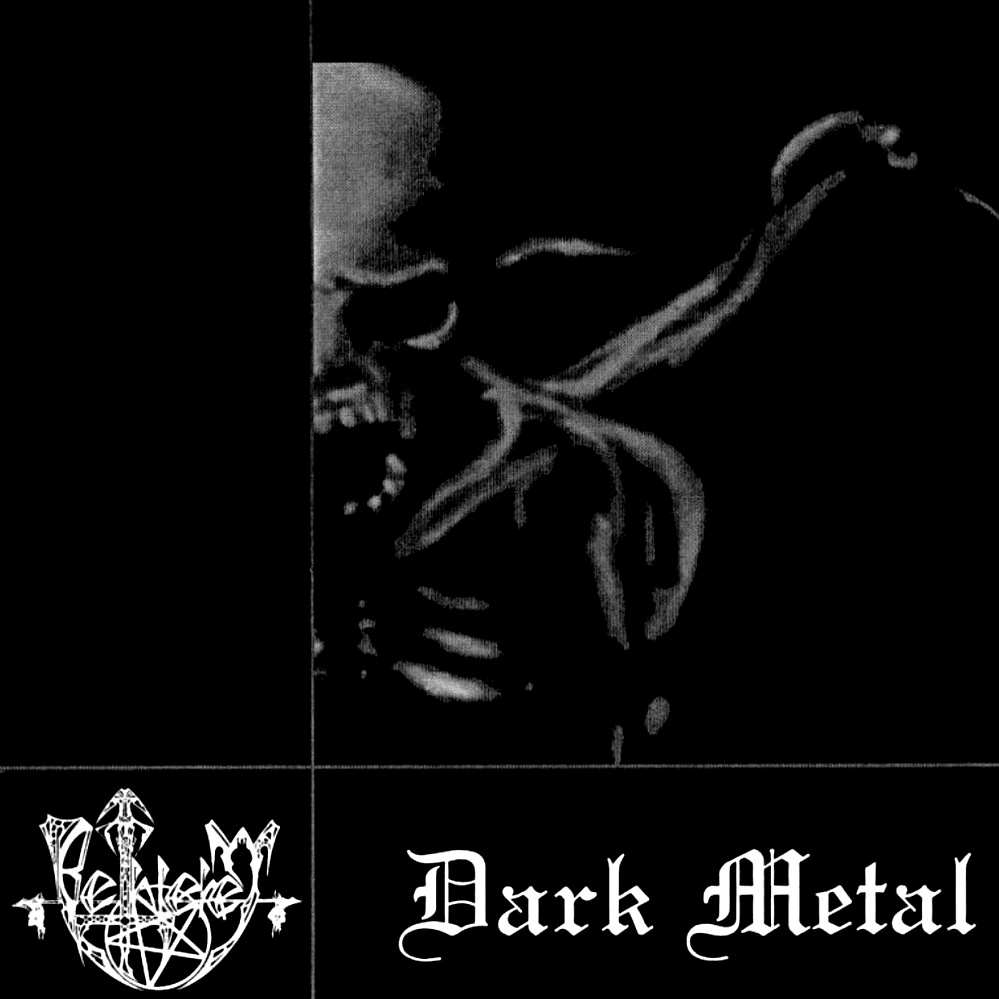
 View Artist