Song Meaning
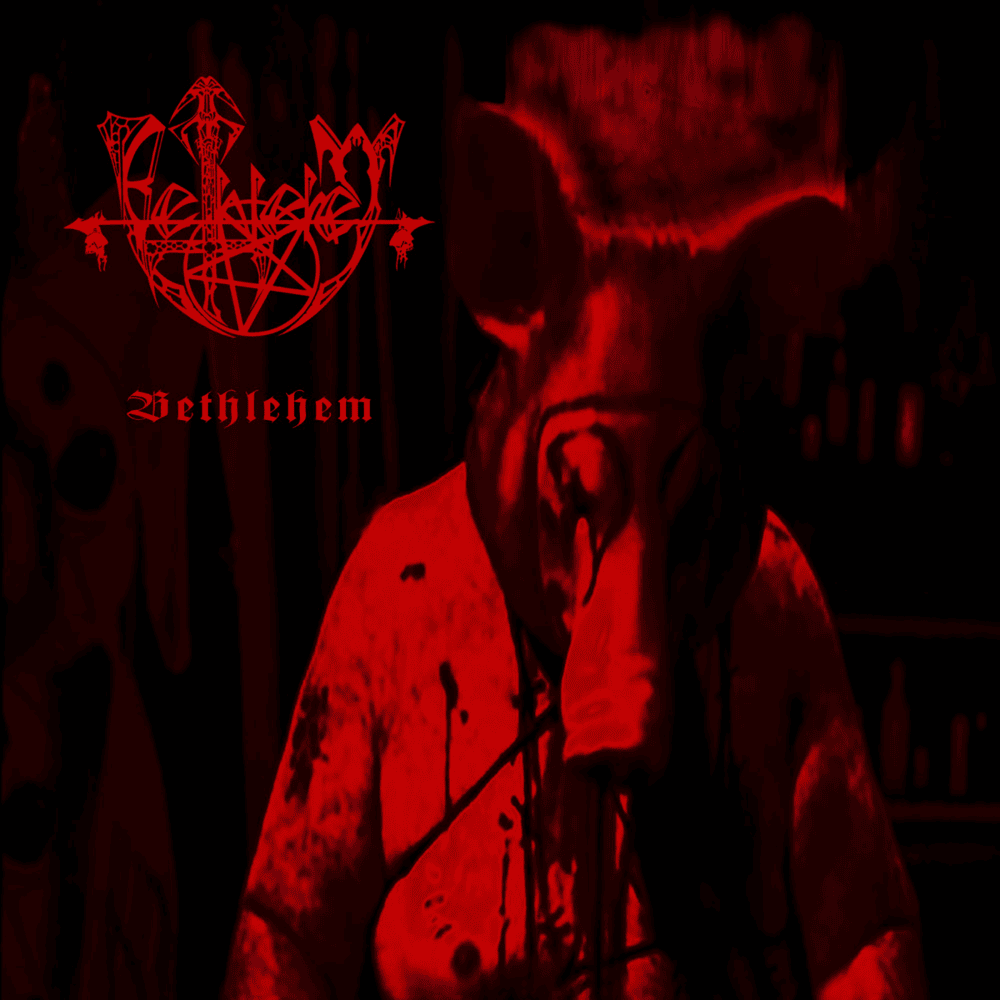
The lyrics paint a visceral, unsettling picture of a creature, perhaps a "Kynokephale" (dog-headed being), existing in a swampy, decaying environment. The opening lines describe a brutal, almost casual act of violence: a chain dog bites off an ear, which is then spat out with a strange, almost gleeful, yet forced, "mourning veil." This sets a tone of perverse existence, where pain and decay are met with a disturbing, half-hearted acceptance, suggesting a life lived under duress and marked by profound loss.
The central tension seems to revolve around a defiant embrace of a monstrous or blasphemous nature. The narrator declares, "Blasphemy tickles me gladly," and proceeds to "bear witness to the monster," actively inflicting further pain by "spitting thorns into the raw flesh." This repeated action emphasizes a deliberate cultivation of suffering and monstrosity, not as a passive state but as an active, almost artistic, creation. The image of a dog singing "strangely and too loud" and no longer wanting to "dance on the graves" hints at a grotesque performance or a creature out of its element, perhaps even a perversion of natural order.
The lyrics employ striking, often contradictory imagery to convey this warped reality. The narrator, who once might have been thought "born," now "swims in a salty sea," having "lonely lost its wish." This shift from a perceived origin to a fluid, desolate existence highlights a profound alienation and the erosion of desire. The act of "biting into the leather skin" by the dog further reinforces the theme of self-inflicted or internalized violence. The final stanza offers a chilling directive: "Cut yourself, if anything remains / Tear pieces from the hem," urging a radical self-mutilation as the only way to confront the ephemeral nature of dreams and existence.
This piece is effective because it forces the listener into an uncomfortable intimacy with a being that finds perverse joy in its own degradation and monstrosity. The raw, almost tactile descriptions of biting, spitting thorns, and self-cutting create a potent sensory experience. The juxtaposition of "joy" and "compulsion," "blasphemy" and "witnessing," and the final command to "cut yourself" all contribute to a disorienting yet compelling portrayal of a creature wrestling with its own existence in a world devoid of solace or conventional meaning.
 View Artist