Song Meaning
The lyrics open with a disorienting tableau of "blood and fire" and being "weighted down with metal," immediately establishing a sense of unease and questioning progress. The narrator wonders if humanity has truly advanced, given these stark, almost apocalyptic images. This sets a tone of disillusionment, suggesting that despite the passage of time, fundamental struggles persist.
The central tension revolves around the inescapable nature of the past and the desire to move beyond it. The repeated refrain, "Yesterday is gone," acts as both an assertion and a plea, a desperate attempt to sever ties with what has been. Yet, the phrase "Blind chances of destiny" hints at a lack of control, implying that the future is as unpredictable as the past was, making the act of letting go fraught with uncertainty.
The writing crafts a compelling internal debate about agency and fate, particularly in the lines "Isn't it the scheme of love to take / Wouldn't my life remain the same." The narrator questions whether love itself is inherently extractive and if personal change is even possible outside of some external force. The idea that "Time's the only voodoo dreams can change" is a striking metaphor, suggesting that only through the subjective experience of time, filtered through dreams and desires, can any real transformation occur, rather than through external events or linear progression.
This lyrical construction is effective because it taps into a universal feeling of being stuck, of wanting to escape a difficult past while feeling powerless against the currents of fate. The stark imagery contrasted with the insistent, almost mantra-like repetition of "Yesterday is gone" creates a powerful emotional resonance, capturing the struggle between hope for a new beginning and the lingering weight of what has already transpired.
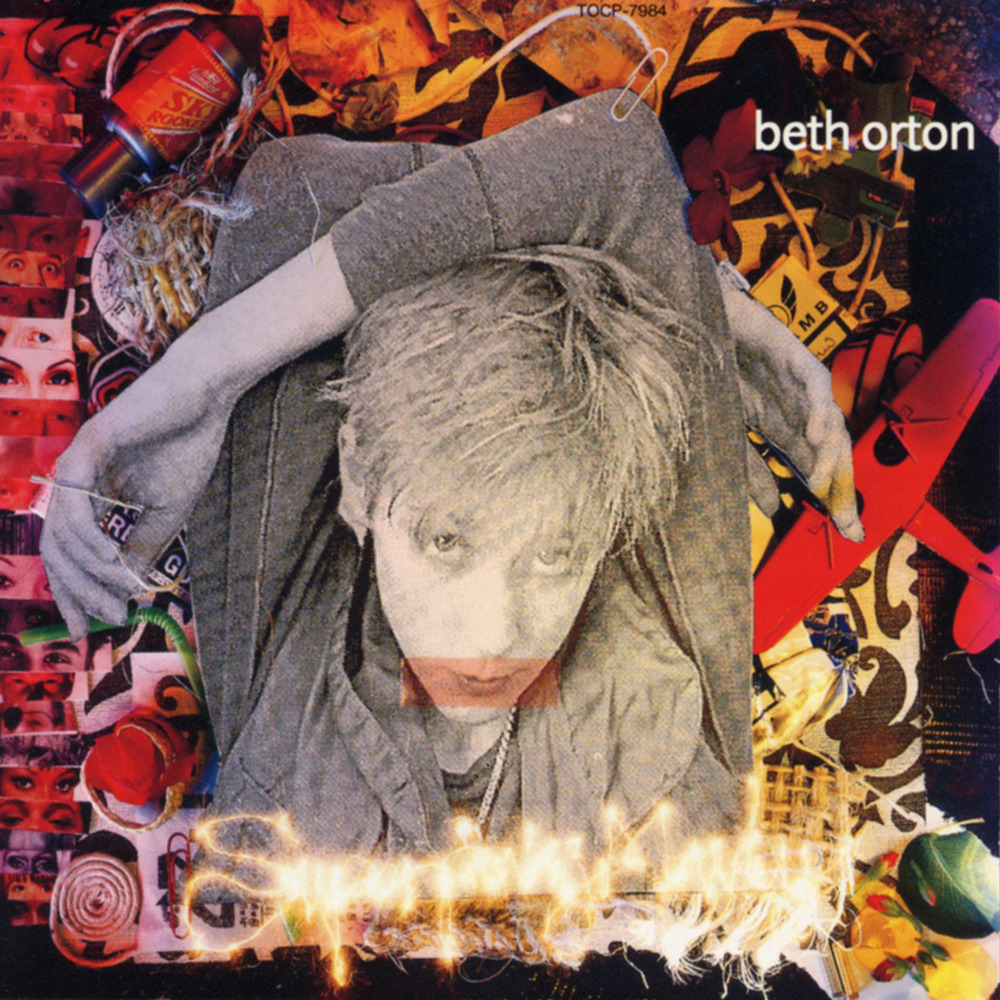
 View Artist