Song Meaning
The lyrics paint a stark picture of hypocrisy and the inescapable nature of consequences. The opening lines immediately call out those who preach forgiveness but practice revenge, suggesting a fundamental flaw in human judgment. This sets a tone of disillusionment, where societal pronouncements clash with observed actions, hinting that true justice or balance might lie beyond human control. The repeated phrase "It ain't free" underscores a belief that every action, especially those driven by malice or false piety, carries an inherent cost.
The central tension revolves around the perceived unfairness of the world, where a select "few born into grace" receive advantages while others are "already damned." This isn't about social mobility but a deeper, almost fatalistic view of inherent privilege versus predetermined disadvantage. The narrator seems to observe this imbalance with a weary resignation, noting that nature, or some larger force, is not easily deceived by outward appearances or pronouncements of virtue. The idea that "nature's got it all in hand" suggests a cosmic accounting that will eventually balance the scales, regardless of human efforts to the contrary.
The most striking lyrical device is the recurring motif of "countenance to give it away." This phrase implies that one's true nature or intentions are always visible, betraying any attempt at deception or pretense. It's a powerful image suggesting that despite efforts to hide or save oneself, the outward expression – the face, the demeanor – will inevitably reveal the inner truth. This creates a sense of inescapable transparency, where authenticity, or lack thereof, is always on display, making the repeated assertion "Not much more to say" feel like a final, resigned acknowledgment of this immutable reality.
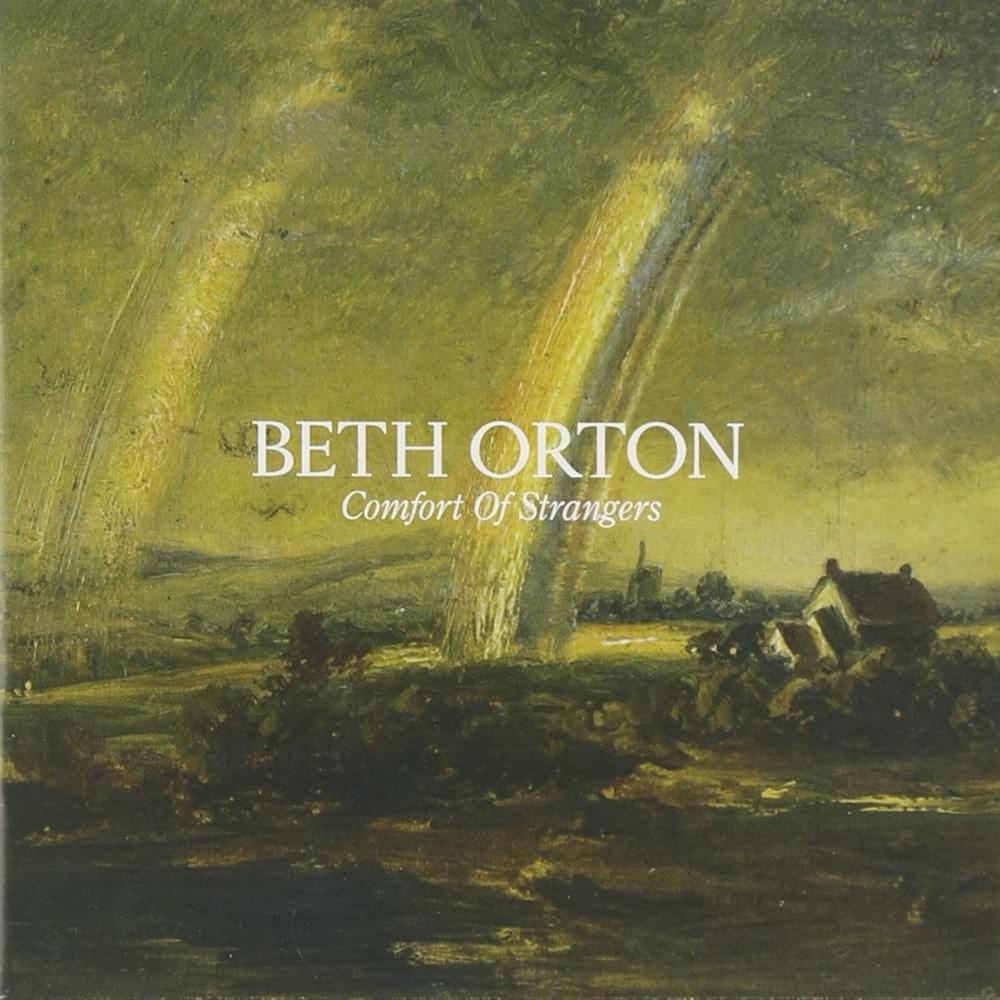
 View Artist