Song Meaning
The lyrics paint a picture of a love that's faded, leaving only faint memories and regret. The narrator describes their love as a "star you only saw the traces of," suggesting a past brilliance now gone, leaving behind only "embers." There's a palpable sense of missed opportunities and the collective human tendency to recognize value too late, with everyone "sorry there's no time to make the change."
The core tension here is the narrator's internal struggle with a lost connection and a desire for belonging. They felt powerful forces at play – "rebellion rising," "stars aligning," "wave rising" – indicating moments of potential or significant change. Yet, despite these powerful undercurrents, they "never did seem to find my way back home," a phrase that repeats with a chilling finality, even morphing into "never did wanna find my way back home" by the end.
The central metaphor of "absinthe" is particularly striking. It's presented as something that "can crush your spirit to the bone," implying a destructive, perhaps intoxicating, force that has led to this state of being lost. This contrasts sharply with the earlier image of love as a "ball I threw to you," which was caught, suggesting a shared moment that ultimately dissolved. The love, once tangible, "erodes in time" and "changes shape," mirroring the elusive and potentially damaging nature of absinthe.
This writing is effective because it captures a specific kind of melancholic resignation. The repetition of the rising forces, juxtaposed with the inability to return home, creates a powerful sense of being swept away by circumstances or personal choices. The final, defiant "never did wanna find my way back home" adds a layer of complex self-sabotage or perhaps a grim acceptance of their current, broken state, making the narrative feel deeply personal and resonant.
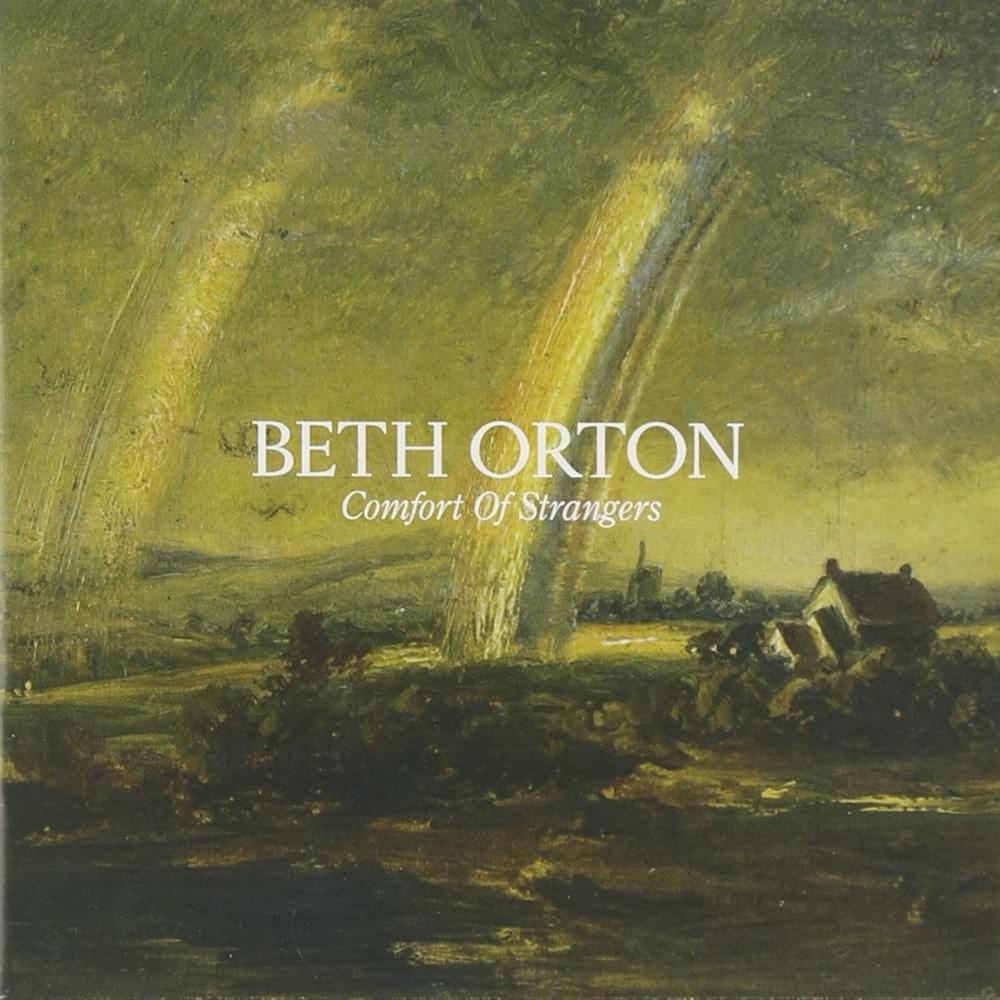
 View Artist