Song Meaning
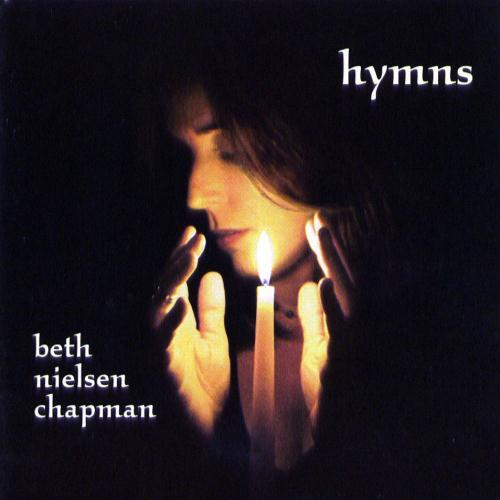
Beth Nielsen Chapman's "Dona Nobis Pachem" isn't just a song; it's a primal yearning vocalized. The title, a Latin phrase meaning "Grant us peace," immediately sets the stage for a work steeped in universal human desire. The repetition isn't lazy songwriting; it's a mantra, a sonic prayer bead passed between artist and listener. Each "Dona nobis, pachem" is a plea, accumulating weight and resonance as the song progresses. It mirrors the cyclical nature of conflict and the persistent hope for resolution that flickers even in the darkest times. Chapman understands that peace isn't a one-time gift but a continuous, active pursuit. The simplicity of the lyrics is its power. It bypasses complex theological arguments and political rhetoric, cutting straight to the heart of the matter: a fundamental human need for tranquility. The slight addition of "please give us peace" at the end in English simply clarifies and personalizes it for those who don't speak Latin, making the plea even more accessible.
The genius of "Dona Nobis Pachem" lies in its accessibility. It transcends language barriers and cultural divides, speaking to something deeply ingrained in the human psyche. The song's structure, almost hypnotic in its repetition, taps into our innate capacity for empathy. We're not just listening; we're participating in a collective expression of longing. This is not merely a song for passive listening, but rather an invitation to actively participate in its resonance. It's a call to acknowledge the shared human condition and the inherent need for harmony.
Chapman's choice to repeat this simple phrase transforms it into something profound. It's a reminder that even amidst chaos, the desire for peace persists. The song's vulnerability is its strength; it doesn't offer solutions or platitudes but simply voices the enduring hope for a world where such a plea is no longer necessary. Ultimately, the song meaning boils down to the most elemental form of hope: a hope that echoes across centuries and cultures, and resides within each of us.
 View Artist