Song Meaning
Beth Hart doesn't just sing the blues; she embodies them. "Baddest Blues" isn't a simple lament; it's a raw, unflinching autopsy of a love affair turned addiction. The opening verses set up this paradox: a relationship that should bring joy instead casts a shadow, turning sunny days blue. Hart isn't mourning lost love in the traditional sense; she's dissecting its toxic core. The man in question is a "drug," a source of humiliation that she can't resist, highlighting the self-destructive patterns we sometimes willingly embrace in the name of love. It's the kind of brutal honesty that separates Hart from more superficial singers. She understands the deeply flawed human psyche.
The repeated question, "This is love, what was I thinking?" isn't rhetorical. It's a genuine scream of confusion and self-reproach. The lyrics capture the disorienting feeling of realizing you're trapped in a cycle of pain, willingly sinking "to the bottom of the blue." Hart isn't just a victim here; she acknowledges her own agency, confessing, "It's what I choose." This admission is key to understanding the song's meaning. It's not about blaming the other person but about confronting the internal demons that lead us to make destructive choices in love. The "baddest blues" isn't just heartbreak; it's the self-inflicted wound of choosing pain over well-being.
The stark declaration that "Love is the baddest blues" isn't a romantic statement. It’s a gut-punch realization of the profound capacity for love to inflict misery. The juxtaposition of "joy versus the kind" suggests a longing for authentic happiness, contrasted with the counterfeit version offered by this destructive relationship. Ultimately, "Baddest Blues" is a masterclass in emotional excavation. Beth Hart doesn't offer easy answers or resolutions. Instead, she leaves us with the uncomfortable truth that love, in its most twisted forms, can be the source of our deepest suffering, and that sometimes, we are complicit in our own downfall.
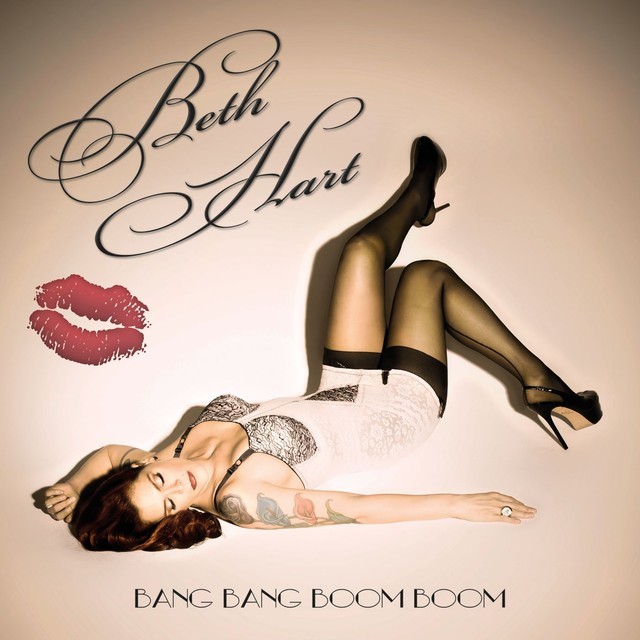
 View Artist