Song Meaning
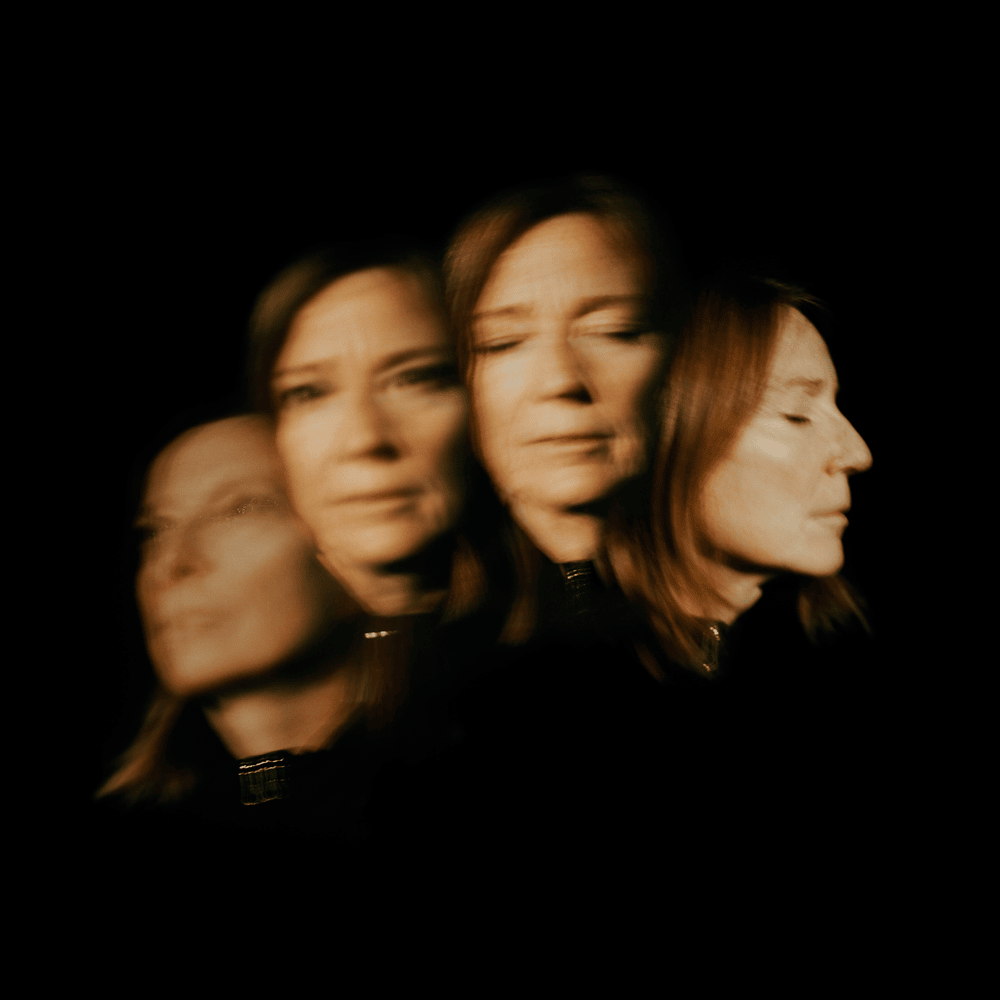
Beth Gibbons, the voice synonymous with Portishead's haunting trip-hop, returns with "Beyond the Sun," a stark exploration of existential uncertainty. Stripped bare of elaborate production, the song excavates the raw nerve endings of regret and the agonizing 'what ifs' that plague the human psyche. The opening lines immediately plunge us into a vortex of self-questioning: "If I had known where I'd begun / Would I still fear where I might end?" This isn't mere lament; it's a confrontation with the fundamental anxiety of existence, the gnawing suspicion that our present fears are inextricably linked to our unknown origins. The song's beauty lies in its refusal to offer easy answers, instead choosing to dwell in the disquieting space between past and present.
Gibbons' lyrics dance around themes of lost connection and the elusive nature of memory. "If I had known you from the start / Would I still visit the place in the dark?" hints at a relationship strained by unspoken truths and unresolved pain. The 'place in the dark' acts as a metaphor for suppressed emotions, a psychic landscape haunted by the ghosts of past choices. The sparseness of the instrumentation only amplifies the emotional weight of Gibbons' voice, each word delivered with a fragile intensity that underscores the vulnerability at the heart of the song. It's a masterclass in emotional restraint, where the unsaid carries as much weight as the spoken.
The bridge, a stark declaration of "The loss of faith / Filled with doubt / No relief / Can be found," serves as the song's emotional crux. It's a moment of profound disillusionment, a recognition of the absence of easy solace. The absence of resolution is, perhaps, the most truthful aspect of "Beyond the Sun." It mirrors the messy, unresolved nature of life itself, where questions often linger longer than answers. Gibbons doesn't offer a path to enlightenment, but rather invites the listener to sit with the discomfort of uncertainty, to find a strange solace in the shared human experience of doubt and longing. The instrumental sections act as moments of reflection, giving the listener space to breathe and absorb the song's profound emotional weight.
 View Artist