Song Meaning
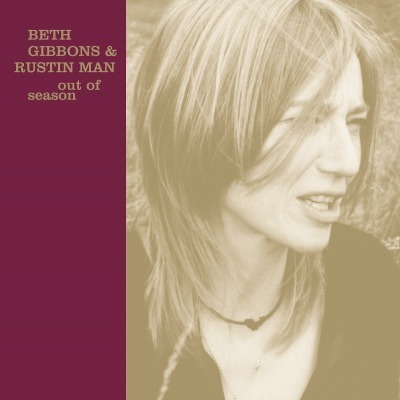
Beth Gibbons' "Sand River" isn't a stroll through a sun-drenched landscape; it's a somber, almost desolate contemplation of beauty tinged with loss. The recurring motif of "Autumn leaves" isn't just seasonal; it's a powerful symbol of decay, the transient nature of beauty, and the inevitable approach of something darker. Gibbons isn't simply observing pretty foliage; she's acknowledging the melancholic grip that beauty, knowing its impermanence, can have on us. This recognition is both a source of solace and a quiet torment. The opening lines immediately establish this duality, setting the stage for a deeper exploration of memory and acceptance.
The lyrics hint at a past relationship or experience, one now viewed through the softening lens of time – "water-coloured memories / Soft as a summer's breeze." But even these gentle recollections are layered with a sense of distance and perhaps regret. The lines "Everybody knows this time / Shadows are drifting in silence / Where lost can't be found" suggest a turning point, an acceptance of something irrevocably gone. The repetition emphasizes the weight of this realization, a shared understanding that some things simply cannot be recovered. The phrase "Sand River" itself could represent the relentless passage of time, eroding memories and reshaping the emotional landscape.
Ultimately, "Sand River" is a meditation on seeing beauty in the face of loss and learning to navigate the emotional complexities that arise when the past lingers. The repeated lines "Autumn leaves / Beauty's got a hold on me / Autumn leaves / Pretty as can be" act as a mantra, a way of anchoring oneself amidst the drifting shadows. The line "Everyone can see / Everyone except me" introduces a painful self-awareness, a disconnect between the outward appearance of acceptance and the internal struggle to truly understand and move on. Gibbons isn't offering easy answers or platitudes; instead, she's inviting us to sit with the discomfort and find our own way to reconcile beauty and sorrow.
 View Artist