Song Meaning
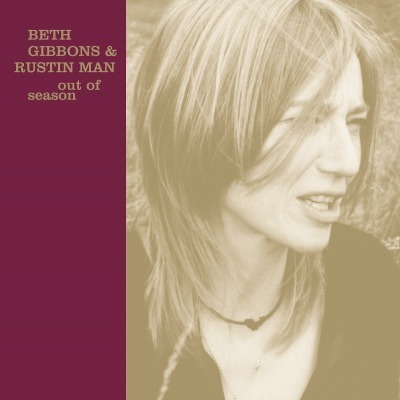
Beth Gibbons's haunting track "Rustin Man" is a masterclass in emotional ambiguity, a sonic exploration of longing and the frustrating cyclical nature of certain relationships. The repeated invocation of "Rustin Man" suggests a figure who is both known and perpetually out of reach. The phrase, repeated like a mantra, hints at a relationship defined by its own inertia, the 'hold' it has on both parties a source of both comfort and torment. The sparseness of the lyrics intensifies the sense of yearning; Gibbons isn't telling a story as much as she's evoking a feeling, a mood steeped in melancholic reflection. The refrain, "I can't deny this is you again," implies a recurring pattern, a dance of connection and separation that neither party seems able to break free from. Is Rustin Man a real person, a past lover, or a symbolic representation of a destructive habit? The beauty of the song lies in its refusal to offer easy answers.
The lines "Let's all decide the shame / Many more were left to stay / Many decided love was a game" introduces a layer of societal judgment and perhaps the singer's own self-reproach. The idea of love as a "game" suggests a cynical perspective, possibly born from repeated heartbreak or disillusionment. This cynicism contrasts with the raw vulnerability expressed in the repeated address to Rustin Man, creating a tension between the desire for connection and the fear of further pain. The question "How many more days can we take / In the hope of seeing you" underscores the passage of time and the weariness of waiting, the hope dwindling with each passing day.
Ultimately, "Rustin Man" is a study in emotional entanglement. The repetitive nature of the lyrics, particularly the final, almost desperate, repetition of "Again," reinforces the feeling of being trapped in a loop, revisiting the same emotions and patterns without resolution. The song's power lies in its ability to tap into the universal experience of longing, the bittersweet ache of wanting something or someone that remains just beyond reach. It's a song that lingers in the mind long after the final notes fade, a testament to Gibbons's skill as a vocalist and lyricist in capturing the complexities of the human heart.
 View Artist