Song Meaning
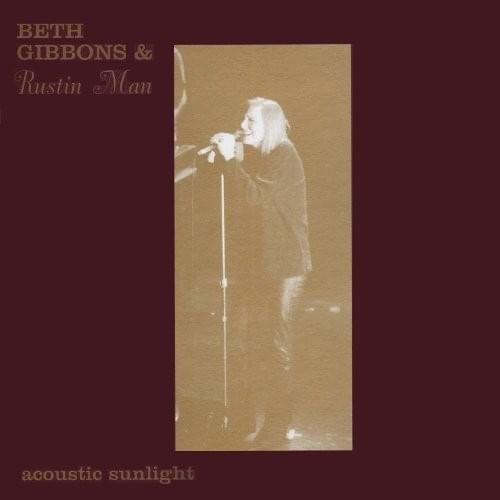
Beth Gibbons' "Resolve," especially in its live incarnation, feels less like a song and more like a raw nerve exposed. The cyclical, almost hypnotic lyrics hint at a mind grappling with impending loss, not in a dramatic, theatrical way, but with the quiet dread of someone watching the tide roll out. The opening lines, "Time rolls as days go by / And now I've figured that I ain't gonna last," aren't a declaration of impending doom, but a weary acceptance of mortality's grip. The "summer skies" fading suggest a vibrancy, a period of life, now receding into the past. It's the kind of stark imagery that resonates with anyone who's felt the weight of time bearing down.
The repeated plea to "resolve your loving said all / I'll be lost when you're gone / Blind me from keep / Blind me" is the core of the song's emotional power. It is a complex request. It is not simply a cry for love to continue, but almost a plea to finalize or settle the love, accept its totality before the inevitable separation. The desire to be blinded suggests a wish to avoid witnessing the departure, to be spared the pain of watching something cherished slip away. This isn't about ignorance being bliss; it's about self-preservation in the face of unbearable sorrow.
The final verse, "And daylight knows / How my eyes have tired / Like the circles life evermore will bear," brings the song's themes into sharp focus. Gibbons acknowledges the toll that life, and particularly loss, has taken. The "circles" evoke not only the physical signs of exhaustion but also the cyclical nature of grief itself. The song, in its entirety, captures the unsettling space between anticipating loss and surrendering to its reality. It's a testament to Gibbons' ability to articulate the quiet, internal battles that define the human condition, rendered all the more potent in the vulnerability of a live performance.
 View Artist